
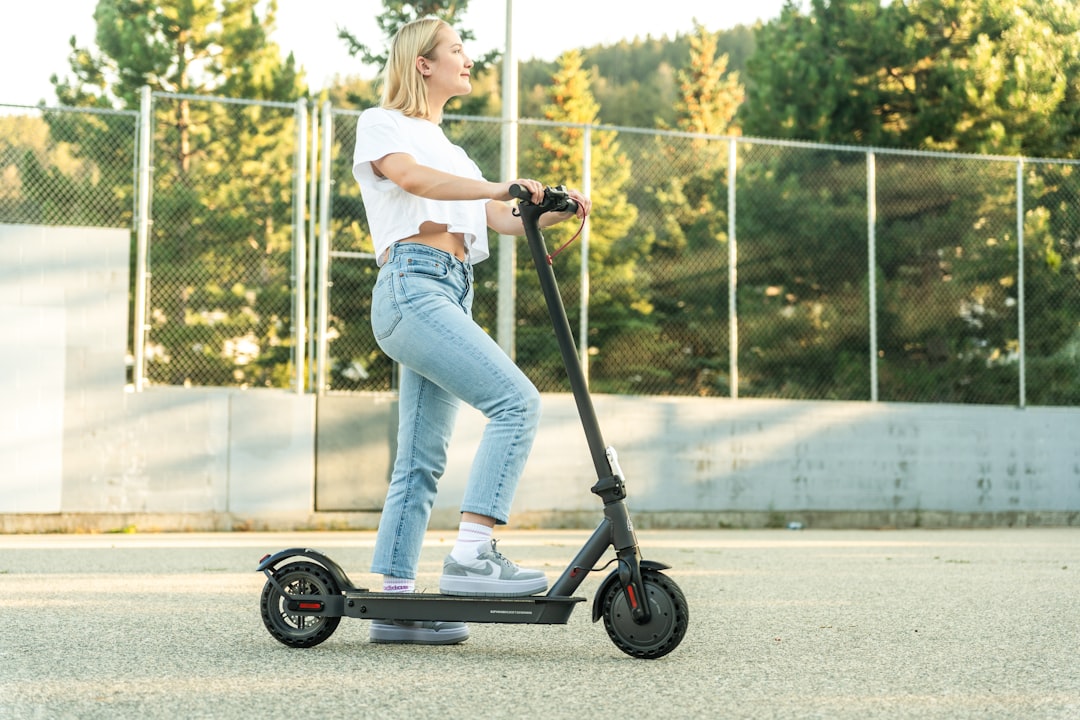
An electric go kart scooter is usually a seated kart frame that clamps onto a self-balancing scooter, the two-wheel board often called a hoverboard, and turns it into a small sit-down kart. The frame has no motor or battery of its own; the board supplies all the drive, and you steer with two hand levers that tilt the footpads. It is a cheap and fun way to get more use from a board you already own, mostly suited to kids on smooth, private pavement. It is not a substitute for a purpose-built electric kart. This guide explains how they work, the main setup types, typical costs, safety, and when a dedicated kart is the better buy.
Part of our Electric Go-Karts guide — explore the full guide →
What Is an Electric Go Kart Scooter?
The term covers a few products, but the most common is the hoverboard kart attachment. It consists of a seat on an adjustable frame, one or two small front wheels or casters, and two levers that rest on the board footpads. The board sits under the rear of the frame, held by straps or clamps.
Because the frame is unpowered, performance depends on the board underneath. A small, basic board gives a gentle ride on smooth ground, while a larger board with bigger wheels copes a little better with rough surfaces. Speed, range, and braking all come from the board, so read its specifications and safety certification before anything else.
A smaller group of products are sold as complete seated scooter karts, with the drive and frame built as one unit. These behave more like a simple, compact electric kart and avoid fit problems between board and frame.
How a Hoverboard Kart Works
A self-balancing board drives each wheel with its own hub motor and uses sensors in each footpad to decide how fast and in which direction that wheel turns. The kart frame takes advantage of this. Push both levers forward and both wheels drive forward. Pull both back and the board slows, then reverses. Push one lever and pull the other, and the wheels turn in opposite directions, spinning the kart on the spot.
This is called differential or tank-style steering. It makes the kart extremely maneuverable at low speed, which is a big part of the appeal for kids. It also means there is no steering wheel and usually no separate mechanical brake: slowing down relies on the board motors. That works at modest speeds on smooth ground, but it is not as decisive as a proper brake and it depends on the board having charge.
Most riders get the hang of lever steering within a few minutes, but start in an open space away from obstacles while they learn.
Types of Electric Go-Kart Scooter Setups
- Basic kart attachment. An adjustable seat frame with one front wheel or two casters and two levers. Designed for standard-size boards and aimed mainly at kids.
- Heavy-duty frame. Longer, sturdier frames with wider seats and higher stated weight limits, often designed for larger off-road style boards. Suitable for older kids and some teens or adults within the rated limit.
- Drift-style frames. Frames with low-grip rear or front casters that let the kart slide in turns. Fun on smooth surfaces, but they need more space and care.
- All-in-one seated scooter karts. Complete units with the drive built in. Often simpler and more secure than an add-on frame, though usually more expensive than a frame alone.
Electric Go-Kart Scooters Compared
Price ranges are rough USD guides; speed and weight limits vary by model, so always check the manufacturer specifications for both the frame and the board.
| Setup | Typical rider | Steering and braking | Terrain | Typical price (USD) |
|---|---|---|---|---|
| Basic attachment plus your own board | Kids within frame limits | Levers, board motors brake | Smooth pavement | About $40–$100 for the frame |
| Heavy-duty frame plus larger board | Older kids, some teens and adults | Levers, board motors brake | Pavement, short grass | About $80–$200 frame, more with a board |
| All-in-one seated scooter kart | Kids and younger teens | Levers or bar, built-in braking | Smooth surfaces | About $200–$500 |
| Purpose-built electric kart | Varies by model | Steering wheel, pedal brake | Pavement, grass, some trails | About $300 and up |
Cost and Value
If your family already owns a working, certified board, an attachment frame is one of the cheapest ways into seated electric riding. Starting from nothing, the cost of a board plus a frame can approach the price of a small purpose-built kart, and that is where to think carefully.
A dedicated kart such as a 24V electric go-kart steers with its wheels, has a pedal brake, carries a larger battery, and often includes parent-set speed limits. For a child who wants to drive a kart rather than spin a board, it usually offers more for similar money. Our guide to small electric go-karts covers compact options that store almost as easily as a scooter frame.
A practical rule: if you already own the board, the scooter kart is excellent value. If you are buying everything from scratch, compare the total against a small dedicated kart before you decide.
Safety: Batteries, Fit, and Where to Ride
Battery safety. Self-balancing boards use lithium-ion batteries, and poorly made boards have had fire problems. Buy boards certified to UL 2272, the safety standard for personal e-mobility devices in the US, from reputable sellers. Charge on a hard surface away from flammable items, use the original charger, do not charge overnight unattended, and stop using any board that is swollen, damaged, or overheating.
Fit. Check that the frame is listed as compatible with your board and that it clamps securely. Boards with unusual footpads or widths may not hold properly. Adjust the frame so the rider reaches the levers comfortably, and keep within the weight limits of both the frame and the board.
Where to ride. Smooth, private pavement such as a driveway or empty patio is ideal. These karts sit low and can be hard for drivers to see, so keep them well away from streets, parked cars, and driveways that meet roads. Small wheels catch on cracks, gravel, and curbs, so slow down on rough ground.
Gear and supervision. A properly fitted helmet is the minimum; elbow and knee pads help new riders. Our guide to go-kart helmets for kids explains sizing. Supervise younger children and use the board lowest speed mode, if it has one, while they learn.
Maintenance
There is little to maintain on the frame itself. Check bolts, straps, and clamps before each ride, make sure the front wheel or casters spin freely, and replace worn caster wheels. The board needs more attention: keep it charged according to the manufacturer guidance, store it indoors at moderate temperatures, avoid riding through puddles, and inspect the tires and casing for damage.
If the board will not be used for a while, store it partly charged rather than empty or full, and top it up periodically, following the manual.
How to Choose
Choose a scooter-based kart when you already own a certified board, when storage space is tight, or when you want one device to serve both standing and seated riding. For younger kids on smooth ground, it delivers a lot of fun for little money.
Choose a purpose-built kart when karting is the goal. Dedicated machines steer with their wheels, have real brakes, handle grass and bumps better, and come in sizes from small kids to adults. Our electric go-karts complete guide maps the full range, and the roundup of the best electric go-kart for kids compares current options. If your rider mainly loves sliding and spinning, an electric drift trike is another option worth a look.
Pros
- Very cheap entry if you already own a hoverboard
- Frames fold or unbolt for easy storage
- Tight spins and reverse driving that kids love
- One board serves both standing and seated riding
Cons
- Lever steering is less precise than wheel steering
- Braking, speed, and range depend entirely on the board
- Struggles on grass, gravel, and bumpy ground
- Bought from scratch, costs approach a small dedicated kart
Frequently Asked Questions
How fast does an electric go kart scooter go?
What age is a hoverboard kart attachment suitable for?
Do kart attachments fit every hoverboard?
Is a hoverboard kart safer than riding a hoverboard standing?
How long does the battery last?
Should I buy a scooter kart or a real electric kart?
Final Thoughts
An electric go kart scooter is a smart, low-cost way to give a hoverboard a second life as a seated kart. Use a certified board, check the frame fit, keep riding to smooth private ground, and insist on a helmet. When your rider wants real steering, brakes, and more terrain, a purpose-built electric kart is the natural next step.