
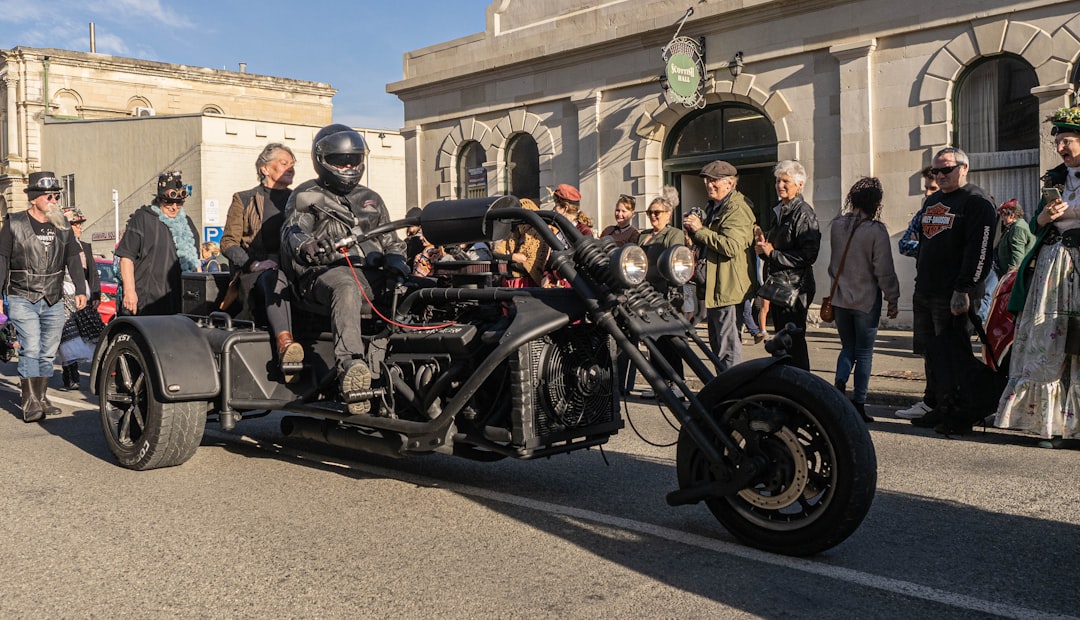
A motorized drift trike is a three-wheeled sliding machine with a steerable front wheel, two hard-sleeved rear wheels, and an engine or electric motor doing the work instead of gravity or pedals. Gas versions usually use a small horizontal-shaft engine, commonly in the roughly 79cc to 212cc range, driving the rear axle by chain through a centrifugal clutch or torque converter. Electric versions use a hub or chain-drive motor and a battery. Many are built from kits or custom frames rather than bought complete. Typical budgets run from a few hundred dollars to $1,500 or more. This guide covers how they work, gas versus electric, costs, building versus buying, and safety.
Part of our Drift Karts & Drift Trikes guide — explore the full guide →
What Is a Motorized Drift Trike?
A classic drift trike is gravity-powered: you ride it down a hill and slide the rear wheels through corners. A motorized drift trike adds a power source so you can drift on flat ground and keep the slide going with throttle. The front wheel, often from a BMX or small motorcycle, steers and provides grip. The rear wheels wear hard plastic sleeves, usually PVC, so the back end breaks traction easily.
Most motorized trikes drive the rear axle through a chain. Gas builds add a clutch or torque converter so the engine can idle while the trike is stopped. Electric builds use a motor controller and throttle, with no clutch needed. For the fundamentals that apply to every trike, start with our drift trike complete guide. If you are weighing three wheels against four, our drift kart complete guide covers the kart side.
Gas-Powered Builds
Gas is the traditional choice for adults who want more power and longer sessions. The most common engines are small horizontal-shaft four-strokes of the type used on go-karts and mini bikes. The 212cc class is especially popular, including the widely used Predator 212 engine and its clones, because parts and upgrades are inexpensive and easy to find. Smaller 79cc to 99cc engines suit lighter riders and lighter frames.
Clutch vs torque converter: A centrifugal clutch is simple and cheap and engages at a set RPM. A torque converter (a variable belt drive) gives smoother pull from low speed and varies the ratio as speed builds, which many riders find easier for holding slides. Both need correct alignment and chain or belt tension.
Gearing: Top speed and acceleration depend on engine RPM, sprocket ratio, and rear wheel diameter. Short gearing gives strong pull and lower top speed; tall gearing does the opposite. Many builders aim for moderate speeds because a trike sits low and becomes hard to control quickly as speed rises. Stock engines are often governed; modifying or removing a governor raises risk to both engine and rider and should only be done with full understanding of the consequences.
Best Drift Trikes: our top 3 picks
| Product | Best for | Key features | Price | Buy |
|---|---|---|---|---|
| Huffy Electric Green Machine | Best overall electric for teens |
| $599.00as of Oct 27, 2026 7:51 am EDT | Buy now →Check current price |
| Razor RipRider DXT | Best gravity trike for teens |
| $149.99as of Oct 27, 2026 7:51 am EDT | Buy now →Check current price |
| Kavirox 208cc Gas Drift Trike | Best gas trike for adults |
| $1,779.98as of Oct 27, 2026 7:51 am EDT | Buy now →Check current price |


Prices are Amazon’s listed prices as of the date and time shown and are subject to change; the price on Amazon at the time of purchase applies. As an Amazon Associate we earn from qualifying purchases.
Electric Builds
Electric motorized drift trikes trade raw run time for convenience. They are quieter, start instantly, produce no fumes, and need little routine maintenance. Many ready-to-ride models are electric, and conversion kits exist for builders. The limits are battery run time, charging time, and cost for higher-power systems.
For riders in residential areas, noise and fumes can be the deciding factors. Our electric drift trike guide covers motors, batteries, and ready-to-ride options in more detail.
Motorized Drift Trike Options Compared
| Option | Power source | Typical feel | Effort to get riding | Typical budget (USD) |
|---|---|---|---|---|
| Small gas build | Roughly 79–99cc engine | Moderate power, lighter frame | Kit or custom build | $400–$900 |
| 212cc-class gas build | Roughly 212cc engine | Strong pull, more weight | Kit or custom build | $700–$1,500+ |
| Electric ready-to-ride | Battery and motor | Quiet, instant response | Buy and ride | $300–$1,200 |
| Electric custom build | Battery and motor kit | Depends on voltage and motor | Electrical build | $600–$2,000+ |
Budgets vary widely with frame quality, wheels, brakes, and whether you already own tools and parts. Treat these as typical ranges rather than quotes.
Cost of a Motorized Drift Trike
For a gas build, the main costs are:
- Frame: A frame designed for engine mounting, ideally with a proper motor plate and strong rear axle support. Our drift trike frame guide covers what to look for.
- Engine: Size and condition drive price; used engines are cheaper but need inspection.
- Drivetrain: Clutch or torque converter, chain, sprockets, axle, bearings, and possibly a jackshaft.
- Wheels and sleeves: Front wheel and fork, rear wheels, and PVC sleeves.
- Brakes and controls: Throttle, kill switch, and a reliable brake, usually a disc on the rear axle or front wheel.
- Consumables: Fuel, oil, chain lube, and spare sleeves; powered drifting wears sleeves faster than gravity riding.
A drift trike kit bundles the frame and matched hardware and can save money and fabrication time compared with sourcing every part separately.
Build, Kit, or Buy?
Custom build: Gives full control over geometry, power, and quality. It requires tools, time, and mechanical confidence, and sometimes welding or fabrication. Mistakes in alignment, mounting, or brakes can be dangerous.
Kit: The middle path. You get a matched frame and hardware, then add the engine or motor, drivetrain, and controls. Instructions and known-good geometry remove much of the guesswork.
Complete trike: The fastest way to start riding, more common among electric models. Check frame welds, brakes, throttle return, and support before buying. Used complete trikes can be a bargain, but inspect them carefully. For listings and buying tips, see drift trike for sale.
How to Choose a Motorized Drift Trike
Match power to rider and space. Lighter riders and smaller areas suit smaller engines or lower-power electric setups. Larger riders who want strong pull look at 212cc-class engines or higher-voltage electric builds.
Prioritize the frame. An engine adds weight and vibration. Look for solid welds, a rigid motor mount, and a rear axle supported by quality bearings. The frame should be rated for the rider’s weight.
Choose controls carefully. A throttle with a strong return spring and an easy-to-reach kill switch are essential. A stuck throttle on a sliding trike is a serious hazard.
Check brakes. Do not rely on sliding to stop. Fit a proper brake that can stop the trike from its top speed.
Plan for noise and location. Gas trikes are loud. If you ride near homes, electric may be the more practical choice.
Safety and Where to Ride
Motorized drift trikes sit low and slide by design, which makes them fun and also unforgiving. Follow these basics:
- Wear a full-face helmet, gloves, long sleeves and pants (abrasion-resistant if possible), and sturdy shoes.
- Ride on smooth, private pavement with permission, plenty of run-off, and no traffic.
- Keep clear of public roads; motorized drift trikes are generally not street legal.
- Check that the chain and sprockets are guarded so clothing and hands cannot get caught.
- Inspect the throttle, brakes, kill switch, and fasteners before every ride.
- Build speed gradually and practice slides at low speed first.
Local laws and property rules vary, so check before riding anywhere other than your own private land.
Maintenance
- Gas engine: Check oil before each ride, change it on the engine maker’s schedule, keep the air filter clean, and use fresh fuel.
- Drivetrain: Keep the chain lubricated and tensioned, and check sprocket alignment and wear. Inspect clutch or torque converter components for wear.
- Sleeves: Replace PVC sleeves when they crack or wear thin; uneven sleeves make slides unpredictable.
- Frame and fasteners: Engine vibration loosens bolts, so check mounts and axle hardware regularly. Look for cracks near welds.
- Electric builds: Keep connectors clean and dry, follow battery charging and storage guidance, and check wiring for chafing.
Pros and Cons
Motor power makes drift trikes far more versatile, but it adds weight, cost, and responsibility.
Pros
- Drift on flat ground without needing a hill
- Gas builds refuel quickly for long sessions
- 212cc-class engines have cheap plentiful parts
- Electric options are quiet and low-maintenance
- Kits and custom builds allow tuning to rider and space
Cons
- Gas models are loud and produce fumes
- Most gas trikes are kits or DIY builds rather than ready to ride
- Added weight and speed raise crash risk
- Sleeves and drivetrain parts wear quickly
- Generally not street legal
Frequently Asked Questions
How fast does a motorized drift trike go?
What engine is best for a motorized drift trike?
Should I use a clutch or a torque converter?
Can I buy a motorized drift trike ready to ride?
Is a motorized drift trike street legal?
Is a motorized drift trike hard to build?
Final Thoughts
A motorized drift trike brings drifting to flat ground and keeps the slide going with throttle. Gas builds offer strong power and quick refueling at the cost of noise and maintenance, while electric trikes trade run time for quiet, simple ownership. Whatever you choose, prioritize a strong frame, reliable controls and brakes, and proper protective gear. When you are ready to compare specific machines, our roundup of the best drift trikes is the next stop.