
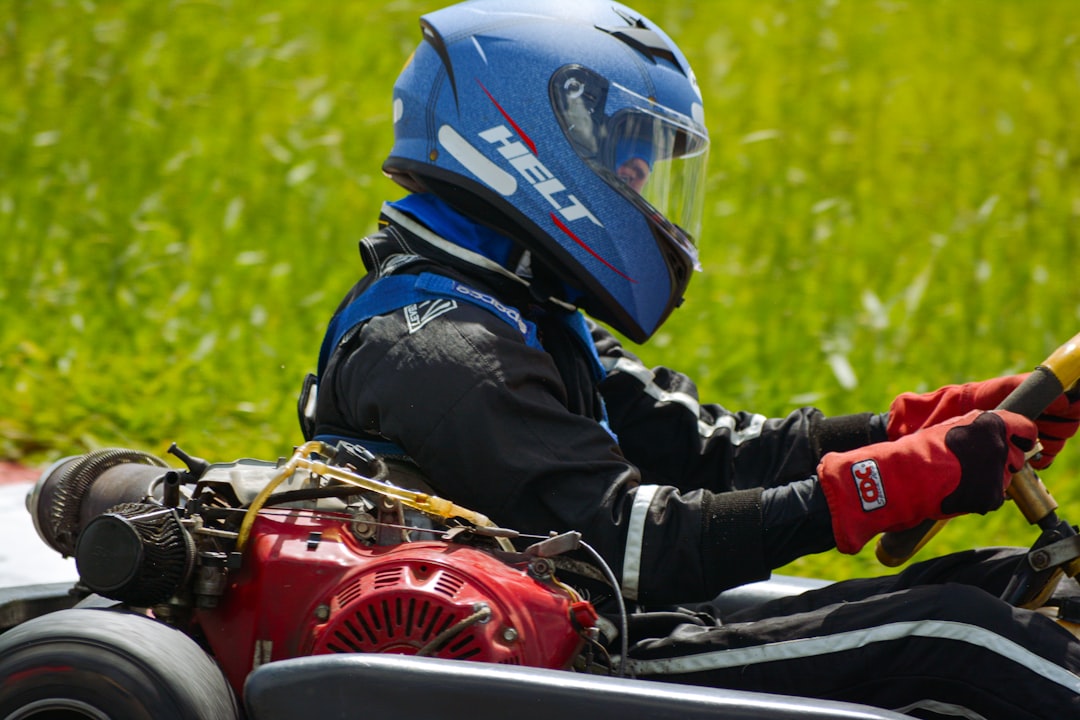
For most families, electric go karts for kids are the easiest and safest way into karting: no gas to mix, no pull-start, no exhaust, and a quiet motor with speed you can actually control. Where a gas kart demands maintenance and supervision most parents would rather skip, an electric kart charges overnight and is ready in the driveway. This guide walks through how these karts work, the types that suit different ages, what they cost, and how to pick one that your child will grow into rather than out of in a single summer.
What Are Electric Go Karts for Kids?
Electric go karts for kids are battery-powered ride-on karts built for young drivers, typically running a 12V, 24V, or 36V system with one or two electric motors. Instead of a combustion engine, a rechargeable battery drives the wheels, and speed is set by the throttle plus, on better models, a parent-selectable speed limiter. Many include remote-control override so an adult can stop or slow the kart from a distance during those first nervous laps.
Because there is no clutch, no shifting, and no engine noise, the learning curve is gentle. Kids focus on steering and braking rather than managing a temperamental engine, which is exactly why electric karts dominate the entry-level family market.
The instant, predictable power delivery of an electric motor also helps beginners. A gas engine can surge as the clutch engages, but an electric motor ramps smoothly from a standstill, so a child is far less likely to be caught off guard by a sudden lurch. Combined with regenerative or simple friction braking that is easy to modulate, this makes electric karts genuinely forgiving for young, inexperienced drivers.
Types of Kids’ Electric Go-Karts
The right type depends almost entirely on the child’s age, size, and confidence. Buying too fast a kart for a nervous five-year-old ends in a garage full of unused plastic; buying too slow for a bold ten-year-old ends in boredom.
Toddler and preschool karts run 12V systems at 2 to 4 mph for ages 3 to 5. Mid-range kids’ karts use 24V power for 5 to 8 mph and suit roughly ages 6 to 9. Youth performance karts jump to 36V and beyond, hitting 10 to 15+ mph for older kids and teens. Drift-style electric karts add slick rear casters so kids can slide corners at low, controlled speeds, a favorite for driveways and flat lots.
Kids’ Electric Kart Types Compared
| Type | Voltage | Top Speed | Age Range | Price Range |
|---|---|---|---|---|
| Toddler / preschool | 12V | 2-4 mph | 3-5 | $120-$300 |
| Mid-range kids’ | 24V | 5-8 mph | 6-9 | $250-$600 |
| Youth performance | 36V+ | 10-15+ mph | 9-14 | $500-$1,200 |
| Drift electric | 12-24V | 5-8 mph | 6-12 | $200-$500 |
Cost and Considerations
Budget karts for little ones start around $120, mid-range 24V models sit in the $250 to $600 band, and youth performance karts run $500 to $1,200. The battery is the part that ages fastest, so factor in an eventual replacement and check that packs are available for the model you choose. For broader budgeting across kart types, our go-kart cost guide puts these numbers in context.
Also weigh charge time and run time. Cheaper karts often give 30 to 45 minutes of driving for an 8 to 12 hour charge, which frustrates kids fast. A quality helmet is non-negotiable at any speed, and a flat, fenced area free of traffic and drop-offs matters more than any spec on the box.
One cost-saving tip: a kart with a removable, standard-size battery pack is far cheaper to keep running than one with a sealed, proprietary battery. When the pack inevitably weakens after a couple of years, a $40 replacement beats a $150 dealer part or, worse, a kart that becomes landfill because no battery is available. Buying a second charger or a spare pack can also double a play session without waiting overnight.
How to Choose Electric Go-Karts for Kids
Match the kart to the child’s age and confidence first, then the environment. Look for an adjustable seat and pedals so the kart lasts more than one growth spurt, and strongly prefer models with a parent speed limiter and, for young kids, remote override. Our best go-karts for kids by age roundup pairs specific picks to each age band.
Check the tires, too: pneumatic or wide EVA foam tires handle grass and cracks far better than hard, narrow plastic wheels. For the full picture on safety, sizing, and rules, read our kids go-karts complete guide, and if you want to understand the battery and motor side more deeply, the electric go-karts complete guide covers the technology in plain terms.
Pros and Cons
Electric karts win on convenience and control, but they are not the answer for every family. Here is the honest balance.
Pros
- Quiet, clean, and easy to charge overnight
- Parent speed limiter and remote override on many models
- No gas, oil, or pull-start hassles
- Gentle learning curve for young drivers
- Low ongoing maintenance
Cons
- Limited run time per charge on budget models
- Batteries degrade and eventually need replacing
- Less power and top speed than gas karts
- Kids can outgrow slower models quickly
Frequently Asked Questions
What age is right for an electric go-kart?
How fast do kids electric go-karts go?
How long does the battery last per charge?
Are electric go-karts safe for kids?
Electric or gas go-kart for a child?
Can two kids share one electric kart?
Final Thoughts
Electric go karts for kids give families a low-hassle, controllable entry into karting, and the best value comes from matching the voltage and speed to your child while choosing a model with an adjustable seat and a parent limiter so it lasts. Start by pairing your child’s age to a specific pick in our best go-karts for kids by age guide.