
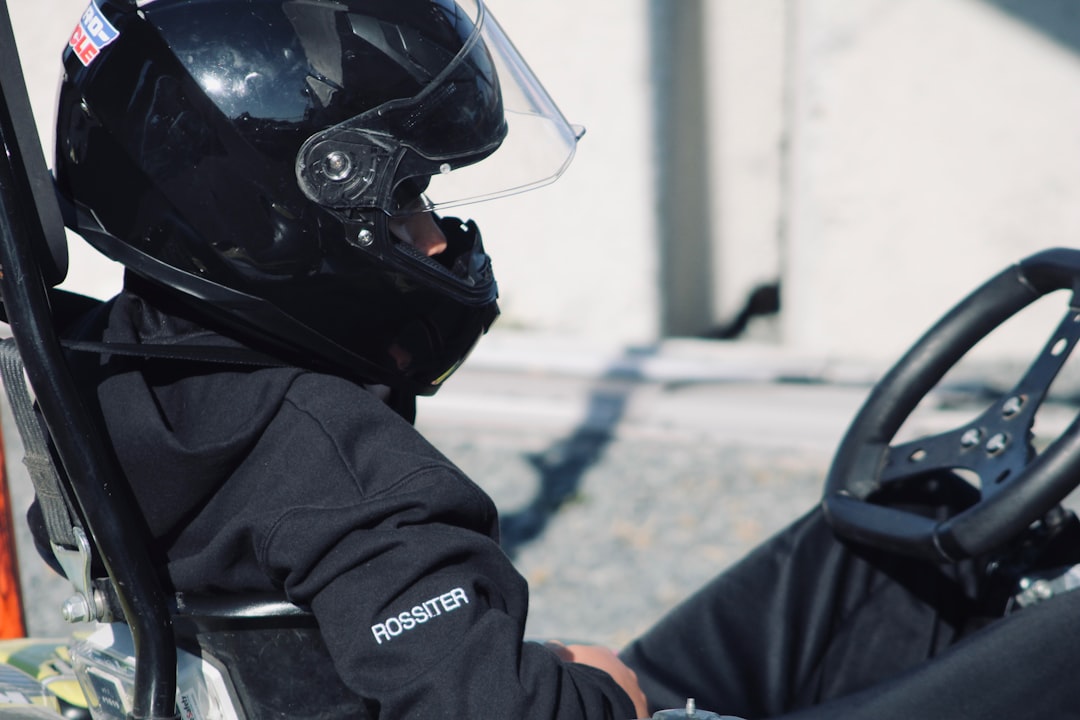
Search for a go kart fire suit and you will run straight into one of the most misunderstood topics in karting gear: standard karting suits are not fire-rated at all. They are abrasion-rated — built to survive sliding down asphalt, not flame. That distinction confuses a lot of newcomers, especially those coming from car racing where fire protection is mandatory. This guide explains the difference between abrasion and fire ratings, the small set of karting situations where genuine fire-resistant gear makes sense, how layering works, and what the cost gap looks like. The honest headline up front: most karters do not need a fire-rated suit — but a few genuinely do.
Do You Actually Need a Go Kart Fire Suit?
For the overwhelming majority of karters, no. A sprint kart carries a small fuel tank between your knees, has no bodywork enclosing you, and — critically — you can be out of the seat and away from the kart in about one second. Fire has never been a meaningful injury mechanism in mainstream sprint karting. The dominant risk is abrasion: sliding across tarmac after a flip or ejection at 40-70 mph. That is exactly what karting suits are homologated to resist.
Car racing faces the opposite problem. Drivers are strapped into an enclosed vehicle carrying many gallons of fuel, with extraction times measured in tens of seconds. That is why car-racing suits are built to fire-resistance standards administered by bodies like SFI and the FIA, using inherently flame-resistant fabrics. Different sport, different threat, different suit.
Abrasion-Rated vs Fire-Rated: The Distinction That Matters
Karting suits are homologated under CIK-FIA standards that test tear strength and abrasion resistance — how long the fabric survives contact with a moving abrasive surface before wearing through. The materials are typically heavy polyester, Cordura-type nylon, or similar synthetics chosen for slide durability and cooling airflow. Those same synthetics can melt when exposed to flame, which is precisely why a karting suit must never be used in a car racing seat.
Fire-rated suits flip the priority. Aramid-based fabrics resist ignition and insulate against heat, with ratings based on how long the suit protects against second-degree burns. The trade-offs are cost, weight, and heat retention — a multi-layer fire suit is noticeably hotter to wear on a summer kart grid, and its abrasion performance is not the design focus. Neither suit is “better”; each is engineered for its sport. For the full picture of what karting actually requires, see our kart racing gear complete guide.
Where Fire Protection Does Matter in Karting
There are two corners of the sport where fire-resistant gear earns its place. The first is superkarting and long-circuit racing, where machines like a 250cc shifter kart run full bodywork at 100-140 mph on car circuits. Enclosing bodywork changes the escape equation, fuel loads are larger, and several long-circuit sanctioning bodies require or strongly recommend fire-resistant suits and underwear for exactly that reason — always check your specific rulebook.
The second is methanol-fueled dirt and oval karting classes, common in parts of US dirt racing. Methanol burns with a nearly invisible flame, which makes even a small fire disproportionately dangerous. Many dirt oval series accordingly mandate SFI-rated suits, gloves, and underwear rather than karting-style abrasion suits. If you race either discipline, buy to your rulebook, not to karting habit.
Karting Suit vs Fire Suit Compared
| Feature | Karting Suit (Abrasion-Rated) | Fire-Rated Racing Suit |
|---|---|---|
| Primary protection | Abrasion and tearing in a slide | Flame and heat exposure |
| Typical standard | CIK-FIA karting homologation | SFI or FIA car-racing standards |
| Common materials | Heavy polyester, Cordura-type nylon | Aramid-based flame-resistant fabrics |
| Layering | Single layer, ventilated | One to three layers plus FR underwear |
| Comfort on a kart grid | Light, breathable | Hotter, heavier |
| Typical price | $150-$600 | $300-$1,500+ |
| Who needs it | Sprint and club karters | Superkart, long-circuit, methanol dirt classes |
Layering and Cost: What Fire Protection Adds
Fire-rated protection works as a system, not a single garment. Ratings improve with layers: a single-layer suit provides baseline protection, while two- and three-layer construction or flame-resistant underwear underneath extends the time-to-burn margin substantially. Drivers who need fire protection typically pair a rated suit with FR underwear, socks, balaclava, and rated gloves — a partial system leaves gaps exactly where you do not want them.
On cost, expect a meaningful jump. A solid entry karting suit runs $150-$300 and a top homologated one $400-$600, while single-layer fire-rated suits start around $300-$400 and multi-layer suits climb to $800-$1,500 or more before underwear and accessories. That premium buys protection sprint karters simply do not need — money better spent on a quality helmet, rib protector, and the rest of the core kit. Parents outfitting young racers should focus on fit and abrasion protection instead; our kids kart racing suits guide covers exactly what juniors need.
Pros and Cons
Here is the honest balance sheet on buying fire-rated gear for karting use.
Pros
- Essential protection for superkart, long-circuit, and methanol dirt classes
- Meets SFI or FIA style rulebook requirements where mandated
- Layered systems buy critical escape time around enclosed bodywork and larger fuel loads
- Doubles as legal gear if you also race cars
Cons
- Unnecessary cost for sprint and club karting where fire risk is minimal
- Hotter and heavier than a ventilated karting suit on a summer grid
- Abrasion resistance is not the design priority, which is the main karting hazard
- May not carry the karting homologation some sprint series require
Frequently Asked Questions
Are go kart suits fireproof?
Do I need a fire suit for kart racing?
Can I wear a karting suit in a race car?
Why do dirt karting classes require fire suits?
How much more does a fire-rated suit cost?
What should most karters spend their money on instead?
Final Thoughts
The phrase “go kart fire suit” mostly describes a product category that does not need to exist for the average karter. Sprint karting is an abrasion sport, and the right suit is the ventilated, CIK-FIA homologated kind built to survive a slide. Fire-rated gear earns its price only where bodywork, big fuel loads, or methanol change the risk — superkarts, long-circuit machines, and dirt oval classes — and there you should buy exactly what your rulebook specifies. Spend to the actual hazard, build out the rest of your kit with our kart racing gear complete guide, and save the fire suit budget until your racing genuinely calls for it.