
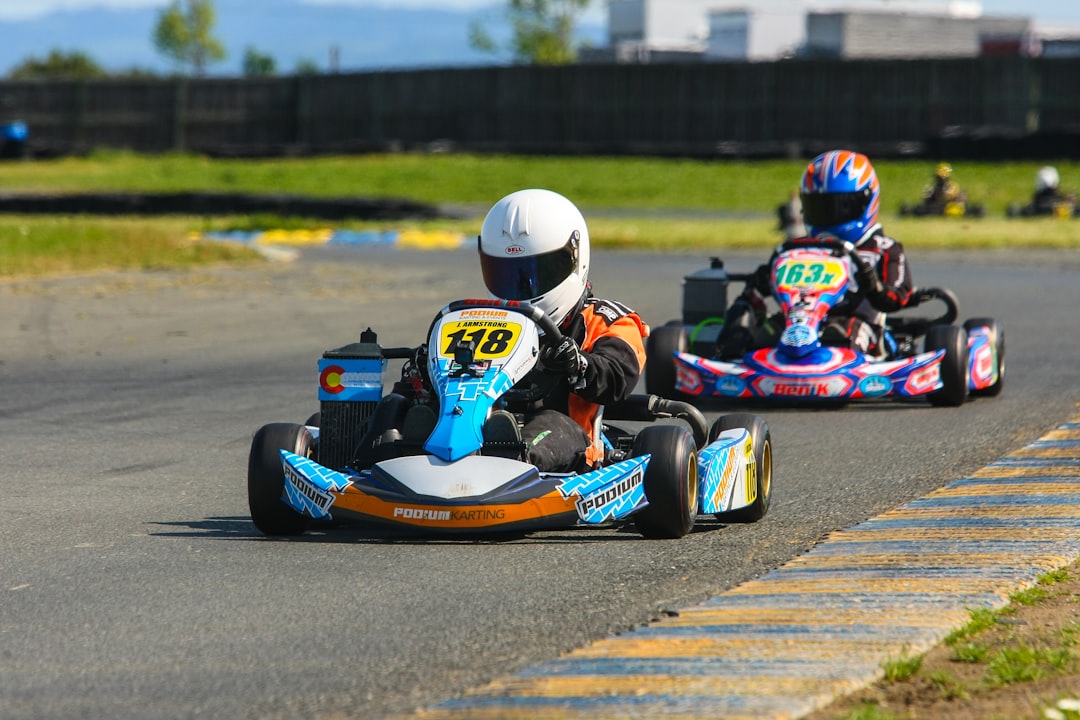
A gas-powered go-kart for kids uses a small four-stroke engine, usually somewhere around 80cc to 125cc, instead of a battery and motor. Gas karts give long runtime, quick refueling and strong pulling power on grass and hills, which makes them popular with families who have room to ride. They also need fuel, regular maintenance and close supervision. Most manufacturers rate them for children around 8 and up, and nearly all come with a throttle limiter so a parent can cap speed while the child learns. This guide covers engine sizes, age and fit, speed limiters, a fair comparison with electric karts, typical costs, maintenance, and the safety features every kids gas kart should have.
Part of our Kids Go-Karts guide — explore the full guide →
How a Kids Gas Go-Kart Works
A kids gas kart is a scaled-down version of an adult kart. A small single-cylinder four-stroke engine, usually with a pull-start or electric start, drives a centrifugal clutch or a CVT (torque converter). A chain carries power to the rear axle. When the child presses the throttle, engine speed rises, the clutch engages, and the kart moves off. Release the throttle and the clutch disengages, so the engine idles while the kart is stopped.
Most kids gas karts have a single brake on the rear axle, operated by a pedal. Off-road models add knobby tires, more ground clearance, and usually a roll cage. For an overview of every kind of kids kart, gas and electric, see our kids go-karts complete guide.
Engine Sizes for a Gas-Powered Go-Kart for Kids
Kids gas karts fall into a few broad engine tiers. Speeds and power vary by model, gearing and limiter setting, so check the manufacturer’s specifications for any specific kart.
Around 80cc to 100cc. The usual entry point for children around 8 and up. These karts are typically governed or limited from the factory and are the sensible starting tier for most families. Our 80cc go-kart guide covers what to look for.
Around 100cc to 125cc. More torque for hills, rough ground and heavier riders. These are often marketed to older children and young teens. They can be noticeably faster with the limiter opened, so they suit experienced riders rather than beginners.
Larger youth and teen karts. Some youth buggies use larger engines. These are for older, experienced teens and need the same care as an adult kart.
Match the tier to the smallest engine that handles your terrain, not the biggest one in your budget. A governed entry-level kart that a child grows into is a better buy than a larger kart a parent has to worry about.
Best Go-Karts for Kids: our top 3 picks
| Product | Best for | Key features | Price | Buy |
|---|---|---|---|---|
| Qaba 24V Electric Go Kart | Best overall electric kart, ages 6 to 12 |
| $244.99as of Oct 29, 2026 8:32 am EDT | Buy now →Check current price |
| hauck Lightning Pedal Kart | Best pedal kart, ages 4 to 8 |
| $143.99as of Oct 29, 2026 8:32 am EDT | Buy now →Check current price |
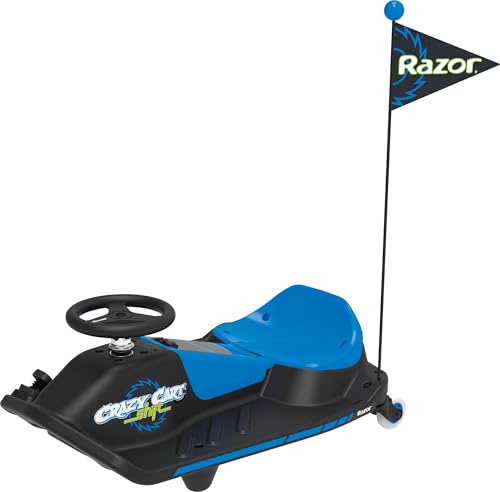
| Razor Crazy Cart Shift | Best 12V starter kart, age 6+ |
| $148.00as of Oct 29, 2026 6:17 am EDT | Buy now →Check current price |


Prices are Amazon’s listed prices as of the date and time shown and are subject to change; the price on Amazon at the time of purchase applies. As an Amazon Associate we earn from qualifying purchases.
Age and Fit: Who Should Ride What
Most manufacturers rate gas karts for ages 8 and up, and that floor exists for good reason. Younger children often lack the judgment and braking reaction to handle a machine that keeps going until the throttle closes. Always follow the age and weight limits on the specific kart.
Within the rated age range, fit is physical and behavioral:
- Physical fit: the child reaches the pedals with a slightly bent knee, holds the wheel with elbows bent, and sits correctly in the belt or harness. Do not adjust fit with loose cushions.
- Behavior: the child already follows riding rules on a bicycle or electric ride-on and stops when told, every time.
- Supervision: an adult actively watches every session, not just the first few.
For a broader breakdown by age and power type, see our best go-karts for kids by age guide.
Speed Limiters and Governors
Nearly every kids gas kart has some way to limit speed. Learning to use it is the most useful thing a parent can do on day one.
Throttle stop. The most common type: a screw, stop or clamp on the throttle pedal or linkage that physically limits how far the throttle opens. Set it so the kart barely moves faster than walking pace. Let the child master steering and braking at that speed, then open it in small steps over weeks as their skill grows.
Engine governor. A mechanical or electronic device that caps engine rpm regardless of pedal position. Some karts have both a governor and a throttle stop.
Remote or key limiters. Some models offer a remote kill switch or a key with speed settings, giving a parent another layer of control.
Test the limiter yourself before the first ride. When buying used, be cautious of any kart whose governor has been removed or altered by a previous owner.
Gas vs Electric for Kids Compared
Neither type wins outright. They suit different families. Our full electric vs gas go-kart comparison goes deeper.
| Factor | Gas kart | Electric kart |
|---|---|---|
| Runtime | Long; refuel in minutes | Limited by battery, then hours of charging |
| Noise | Loud enough to matter to neighbors | Near silent |
| Maintenance | Oil, air filter, spark plug, carburetor, chain | Minimal: tires, chain or belt, battery care |
| Fuel and storage | Gasoline storage and refueling needed | Wall outlet, no fuel |
| Rough terrain and hills | Strong, steady pulling power | Good when charged, fades as battery drains |
| Cold weather | Starts and runs normally with fresh fuel | Battery range drops in the cold |
| Typical price (kids models, USD) | About $800–$2,500 | About $300–$2,000 |
In short, gas wins on runtime, terrain and long sessions. Electric wins on noise, simplicity and convenience. If your child will ride for hours on acreage, gas earns its upkeep. If sessions are short and neighbors are close, electric is usually the calmer choice.
Cost of a Kids Gas Go-Kart
As typical USD ranges, new kids and youth gas karts commonly run from about $800 for basic models to $2,500 or more for caged off-road buggies with suspension. Used karts can cost less but need careful inspection. Budget for extras as well:
- Helmet and riding gear: often $100–$300 for a good child helmet, gloves and eye protection.
- Fuel, oil, filters and spark plugs: a modest ongoing cost.
- A fuel can and safe storage space.
To compare current models, see our roundup of the best go-karts for kids.
Safety Features Every Kids Gas Kart Needs
On the kart:
- A roll cage or roll bar on any off-road model. See our guide to kids go-karts with roll cages.
- A working seat belt or, preferably, a multi-point harness.
- A functioning throttle limiter or governor.
- An engine kill switch the child can reach, and ideally a remote or tether cutoff for the parent.
- Working brakes, checked before every session.
- Chain and engine guards fully in place, and a guard between the rider and hot exhaust parts.
On the child: a properly fitted, certified helmet designed for motorsports or powersports, not a bicycle helmet. Our guide to go-kart helmets for kids explains sizing and certifications. Add closed shoes, long pants, gloves and eye protection if the helmet has no visor. Tie back long hair and avoid loose clothing that could catch in moving parts.
Where and how they ride: a defined area away from roads, water and hard obstacles; one rider per kart unless it is designed for two; no towing games; and an adult present and watching at all times.
Fuel handling: refuel only with the engine off and cool, store gasoline in an approved container away from living spaces, and keep refueling an adult-only job.
Maintenance for a Kids Gas Kart
Upkeep is roughly similar to a push mower. Follow the engine manual for exact intervals. In general:
- Before every ride: check oil level, tire pressure, brakes, chain tension and that all guards are in place.
- Regularly: clean or replace the air filter, especially after dusty riding.
- Oil changes: at the interval the engine maker recommends, often more often for a new engine during break-in.
- Chain: lubricate and adjust tension as needed.
- Storage: for long breaks, use fuel stabilizer or drain the fuel. Old fuel is the most common cause of carburetor problems.
Maintenance is also a good chance to teach a child basic mechanical skills under supervision.
Pros and Cons of Gas Karts for Kids
Pros
- Long runtime with quick refueling instead of long charges
- Strong steady power for hills, grass and rough ground
- Adjustable limiters let the kart grow with the child
- Teaches basic mechanical habits like oil checks and chain care
Cons
- Loud enough to bother neighbors and limit riding times
- Needs regular maintenance including oil, filters and carburetor care
- Gasoline storage and refueling add a safety responsibility
- Not suitable for children under the manufacturer age rating
Frequently Asked Questions
What age can a kid ride a gas powered go-kart?
How fast does a kids gas go-kart go?
Are gas go-karts safe for kids?
Is gas or electric better for a kids go-kart?
How much maintenance does a kids gas kart need?
Do kids gas go-karts have speed limiters?
Final Thoughts
A gas-powered go-kart for kids is a great fit for the right family: a child old enough for the age rating, space to ride, a parent willing to supervise and do basic maintenance, and neighbors who can live with some engine noise. Start at the smallest engine tier that suits your terrain, set the limiter low, insist on the gear, and let speed be something your child earns over time.