
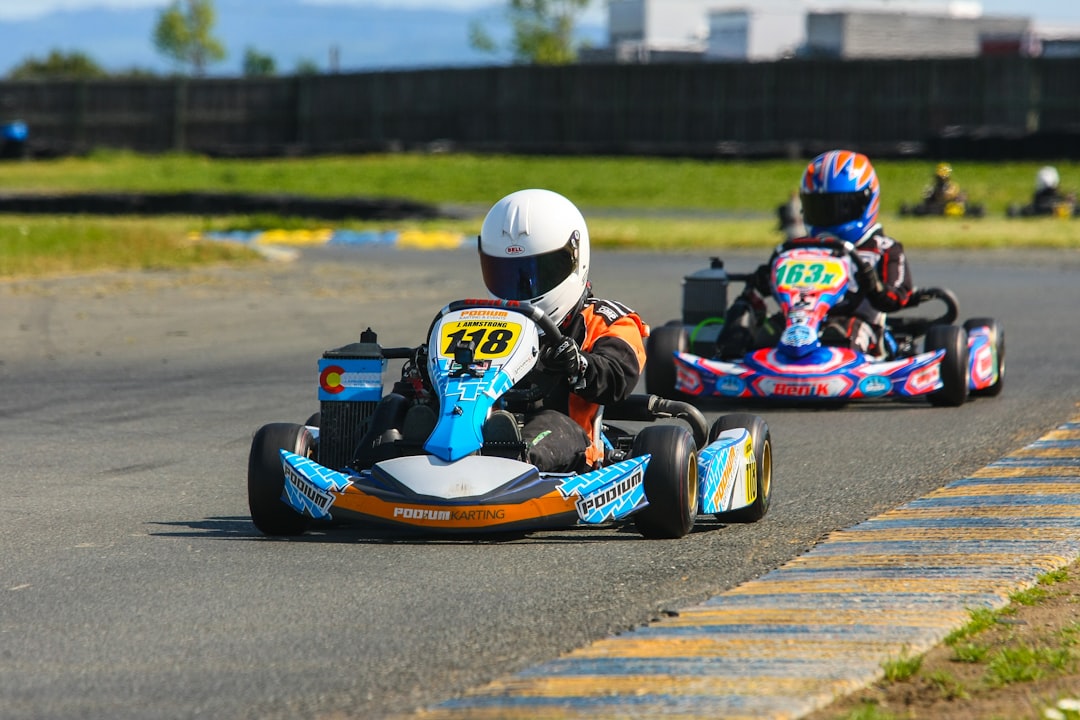
A kids go kart kit is a box of parts, or a set of plans, that an adult assembles into a working kart for a child to drive. Kits range from complete bolt-together packages with every part pre-cut and pre-drilled, to rolling frames that need an engine or motor added, to plans you fabricate from raw steel. A complete kit suits most families and can usually be built over a weekend or two with hand tools. Frame and plans kits cost less up front but demand more skill, sourcing and time. This guide explains each kit type, what a realistic build costs, the tools you need, how to size the kart and the safety checks every finished kit must pass.
Part of our Kids Go-Karts guide — explore the full guide →
What Is a Kids Go-Kart Kit?
A go-kart kit supplies some or all of the parts needed to build a kart: frame, axles, wheels, steering, brakes, seat, pedals, and often an engine or electric drive. A “kids” kit is scaled for smaller drivers, with a shorter wheelbase, closer pedals and lower power, or it is a standard small frame that can be set up and governed for a young driver.
The key point for parents is that a kit is not a toy a child assembles alone. The finished kart is a powered vehicle, and its safety depends on correct assembly, torque and adjustment. Treat the build as an adult-led project that a child helps with: handing tools, tightening non-critical bolts, learning how steering and brakes work.
If you are deciding between building and buying, our kids’ go-karts complete guide covers the whole category, and our kids go-karts for sale buying guide covers the ready-made route.
Types of Kids Go-Kart Kits
Complete bolt-together kits
Everything is in the box: frame sections, hardware, wheels, steering, brakes and drivetrain, sometimes including the engine. Parts are pre-cut and pre-drilled, and instructions walk you through assembly step by step. This is the most predictable path for first-time builders and the easiest to get help with, because the supplier knows exactly what you have.
Rolling chassis and frame kits
A welded or bolt-up frame with some running gear (steering, axles, brakes) but no power unit, seat or wheels in some cases. You choose and fit the engine or motor yourself. These offer flexibility and a lower entry price, but you must make sure every part you add is compatible and correctly rated.
Plans and blueprint kits
Drawings, a cut list and parts list only. You buy steel tubing, cut and weld the frame, and source everything else. Materials can be cheap, but you need welding equipment, fabrication skill and the judgment to build a frame that is strong and square. This is a route for experienced builders, not a first project.
Electric drive kits
A motor, controller, throttle and battery package designed to power a compatible frame. Electric kits suit younger drivers well: they are quiet, need no fuel and many controllers allow a reduced top speed. Our go-kart electric conversion kit guide explains how these packages fit together.
Best Go-Karts for Kids: our top 3 picks
| Product | Best for | Key features | Price | Buy |
|---|---|---|---|---|
| Qaba 24V Electric Go Kart | Best overall electric kart, ages 6 to 12 |
| $220.99as of Oct 26, 2026 5:52 am EDT | Buy now →Check current price |
| hauck Lightning Pedal Kart | Best pedal kart, ages 4 to 8 |
| $143.99as of Oct 26, 2026 5:52 am EDT | Buy now →Check current price |
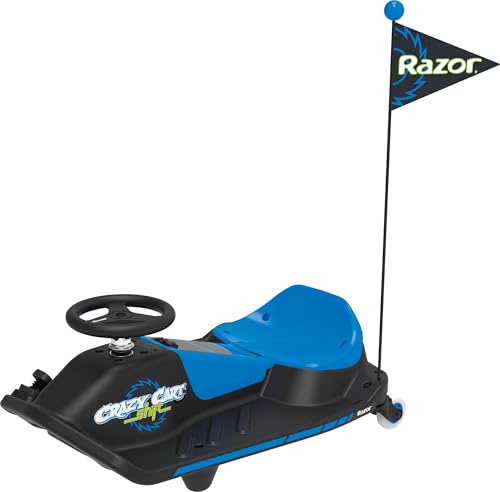
| Razor Crazy Cart Shift | Best 12V starter kart, age 6+ |
| $148.00as of Oct 26, 2026 5:22 am EDT | Buy now →Check current price |


Prices are Amazon’s listed prices as of the date and time shown and are subject to change; the price on Amazon at the time of purchase applies. As an Amazon Associate we earn from qualifying purchases.
Kids Go-Kart Kit Types Compared
Costs below are typical US ranges for youth-sized builds and vary by region, engine choice and what is included. Always check the supplier’s included-parts list before comparing prices.
| Kit Type | Skill Needed | Typical Kit Cost | Typical Build Time | Best For |
|---|---|---|---|---|
| Complete bolt-together | Basic hand tools | $400-$1,500 | One to two weekends | First-time families |
| Rolling chassis or frame | Moderate mechanical | $300-$1,000 plus power unit | Several weekends | Confident DIY parents |
| Plans or blueprints | Welding and fabrication | $20-$100 for plans, plus materials | Many weekends | Experienced fabricators |
| Electric drive kit | Basic wiring and mechanical | $300-$1,200 | A weekend or more | Quiet builds for younger kids |
For specific frames and complete kits worth considering, see our roundup of the best go-kart kits and frames.
What a Kit Build Really Costs
The kit price is rarely the final number. Add these items to your budget:
- Power: if not included, a small four-stroke engine or an electric motor and battery pack is often the largest single extra.
- Drivetrain parts: clutch or torque converter, chain, sprockets and throttle cable for gas builds.
- Seat, wheels and tires: sometimes sold separately from frame kits.
- Safety parts: kill switch, chain guard, seatbelt where appropriate and a throttle limiter.
- Tools and consumables: a torque wrench, thread locker, grease and paint add up if you are starting from scratch.
- Gear: a properly fitted helmet for the driver, plus gloves and closed shoes.
Our guide to how much it costs to build a go-kart breaks these line items down further. In practice, a complete kit often lands close to the price of a comparable entry-level ready-built kart. The savings are bigger with frame and plans routes, but so is the time and risk.
Tools You Need to Assemble a Kit
For a complete bolt-together kit, expect to need:
- Combination wrenches and a socket set in the sizes the kit specifies (check imperial vs metric)
- A torque wrench for wheel, axle, steering and brake fasteners
- Screwdrivers, pliers, hex keys and a rubber mallet
- Thread locker and grease
- A level floor, good lighting and a way to lift the kart safely
Frame kits may add a drill, files and an angle grinder. Plans kits add a welder, tube cutter or chop saw and clamps. Read the tool list before you order so the build does not stall halfway.
How to Build a Kids Go-Kart Kit Safely
Every kit has its own sequence, so follow the supplier’s instructions first. The general order looks like this:
- Inventory the parts. Lay everything out and check it against the parts list before you start. Report missing items right away.
- Assemble the frame on a flat surface and check that it is square before final tightening.
- Fit the front end: spindles, tie rods and steering column. Set the steering so the wheels point straight when the wheel is centered.
- Install the rear axle, bearings, sprocket and brake. Make sure the axle spins freely with no binding.
- Mount the power unit and align the chain so sprockets sit in a straight line. Set chain tension per the manual.
- Fit the seat and pedals, adjusted for the driver.
- Route cables and wiring away from hot parts and moving components.
- Torque and recheck every critical fastener, then test brakes and steering before the first powered run.
Our full how to build a go-kart walkthrough covers each stage in more detail.
Sizing and Choosing the Right Kit for Your Child
Choose by your child’s size and experience, not age alone. The driver should reach the pedals with a slight bend in the knee, hold the steering wheel without stretching and sit low and secure in the seat. Check the kit’s stated rider weight and height range, and favor designs with adjustable pedals or seat positions so the kart can grow with your child.
Power is the other half of the decision. For younger or first-time drivers, choose a setup that can be governed or limited, such as a throttle stop on a gas engine or a reduced-speed mode on an electric controller. Do not remove governors or install performance parts on a kart a child will drive. A low, wide stance improves stability, and buggy-style kits intended for rough ground should include a roll cage.
Finally, buy from a supplier that publishes manuals, sells spare parts and answers questions. A missing bolt should be a quick order, not a dead end.
Pre-Drive Safety Checklist
- Brakes stop the kart firmly and straight, and the pedal is easy for your child to press fully.
- Steering moves smoothly lock to lock with no binding or loose joints.
- All critical fasteners are torqued and secured with thread locker, cotter pins or nylon lock nuts as specified.
- Chain or belt is guarded, and nothing hot or moving is within reach of the driver.
- Kill switch works and is easy to reach.
- Throttle returns to idle when released.
- Driver wears a properly fitted helmet, closed shoes and gloves.
Repeat a short version of this check before every session, and recheck all fasteners after the first few hours of driving, since new parts settle.
Pros and Cons of a Kids Go-Kart Kit
Pros
- Shared project that teaches real mechanical skills
- Often cheaper than a comparable ready-built kart, especially frame and plans routes
- You understand every part, which makes maintenance easier
- Strong sense of ownership for the young driver
Cons
- Safety depends entirely on the quality of the build
- Frame and plans kits demand tools and skills many families lack
- Engines, seats and safety parts can add a lot to the total
- Builds often take longer than the box suggests
Frequently Asked Questions
What age is a kids go-kart kit suitable for?
Are go-kart kits safe for children?
How long does it take to build a kit go-kart?
Do I need to weld to build a go-kart kit?
Is it cheaper to build a go-kart from a kit than to buy one?
Can a child help build the go-kart?
Final Thoughts
A kids go-kart kit turns buying a kart into a shared build. For most families, a complete bolt-together kit is the right balance of cost, simplicity and safety. Move to frame or plans kits only if your skills and tools match. Build carefully, check everything twice and start slowly. If you would rather skip the build, our best go-karts for kids roundup covers ready-made options.