
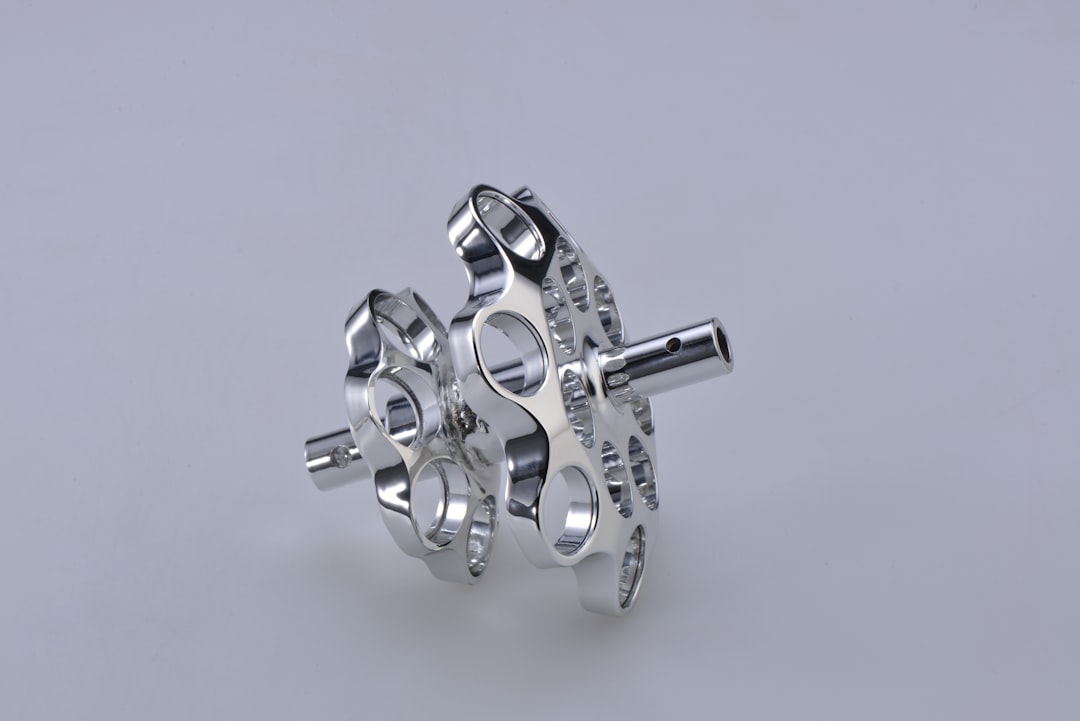
A go-kart clutch connects the engine to the drive chain once engine speed rises, and disconnects it at idle so the kart can sit still with the engine running. Most karts use an automatic centrifugal clutch mounted on the engine crankshaft: spring-loaded shoes or discs fly outward as RPM climbs, grip a drum, and turn the drive sprocket. The right go-kart clutch has to match three things: your crankshaft diameter (3/4 inch on many 212cc-class engines, 1 inch on many larger ones), your chain pitch, and the power and weight it must handle. Heavier karts and hilly terrain often suit a torque converter instead. This guide covers clutch types, sizing, installation, troubleshooting and maintenance.
Part of our Go-Kart Engines & Drivetrain guide — explore the full guide →
How a Go-Kart Clutch Works
A centrifugal clutch has two main parts: a hub with friction shoes (or discs) keyed to the crankshaft, and a drum that spins freely on a bushing or bearing. The drive sprocket is part of, or bolted to, the drum.
At idle, springs hold the shoes inward, so the drum and sprocket stay still. As you press the throttle and RPM rises, centrifugal force overcomes the springs and pushes the shoes outward against the drum. The drum starts to turn, the chain moves and the kart pulls away. The RPM at which the clutch starts to grip is the engagement speed, and it is set by spring strength and shoe weight. When you lift off and RPM drops, the shoes retract and the engine idles freely again.
Because engagement is automatic, most karts need no clutch pedal. Karts with motorcycle or shifter engines are the exception and use a manual clutch with a lever or pedal; see our go-kart manual clutch guide for those setups.
Types of Go-Kart Clutches
Centrifugal shoe clutch. The most common and affordable type on recreational karts and mini bikes. Simple, compact and easy to replace. It works well on light karts on flat ground but can slip and overheat if the kart is heavy, geared too tall or used on hills.
Centrifugal disc clutch. Uses stacked friction discs instead of shoes. It typically engages more smoothly, handles heat better and suits higher-power or racing applications. Many sprint racing classes that use four-stroke engines run disc-style dry clutches with adjustable engagement. Our racing go-kart clutch guide covers tuning and maintenance.
Wet (oil-bath) clutch. The friction parts run in oil, which cools them and smooths engagement. Wet clutches tend to last longer under heavy slip but add complexity. Our go-kart wet clutch guide explains when they make sense.
Heavy-duty and high-horsepower clutches. Larger shoes, stronger springs and better drum materials for modified engines or big-block builds. Clutches are commonly rated by horsepower, so check the rating against your engine’s real output, not its stock spec. Our heavy-duty go-kart clutch guide explains when you need one. Larger engines with a big shaft need a 1 inch go-kart clutch.
Torque converter (CVT). Not a simple clutch but a belt-driven continuously variable transmission. A driver pulley on the engine engages with RPM like a clutch, then a driven pulley changes ratio as speed rises. It gives strong low-speed pull and a higher top end. Our torque converter vs clutch comparison covers the choice in depth.
Best Predator 212 Clutch and Torque Converter: our top 3 picks
| Product | Best for | Key features | Price | Buy |
|---|---|---|---|---|
| Youxmoto 30 Series Torque Converter | Best overall |
| $56.99as of Nov 18, 2026 7:49 am EST | Buy now →Check current price |
| ILONPA 10T Centrifugal Clutch | Best centrifugal clutch |
| $25.99as of Nov 18, 2026 7:49 am EST | Buy now →Check current price |
| GYMMEDS 30 Series Torque Converter | Best for mixed hardware threads |
| $58.66as of Nov 18, 2026 7:53 am EST | Buy now →Check current price |


Prices are Amazon’s listed prices as of the date and time shown and are subject to change; the price on Amazon at the time of purchase applies. As an Amazon Associate we earn from qualifying purchases.
See every pick compared: Best Predator 212 Clutch and Torque Converter →
Go-Kart Clutch Types Compared
| Type | Engagement feel | Heat tolerance | Best for | Maintenance | Typical cost (USD) |
|---|---|---|---|---|---|
| Centrifugal shoe | Can be abrupt | Limited under heavy slip | Light recreational karts, flat ground | Low; oil bushing if required | $25–$70 |
| Centrifugal disc | Smooth, adjustable on some | Good | Racing, higher power | Moderate; disc and spring checks | $100–$300+ |
| Wet (oil-bath) | Smooth | Very good | High slip, longer life | Oil changes | $100–$300+ |
| Heavy-duty centrifugal | Firm | Better than standard | Modified engines, heavier karts | Low to moderate | $60–$150 |
| Torque converter | Smooth, variable ratio | Good when set up right | Off-road, heavy drivers, hills | Belt inspection and replacement | $80–$250 |
Prices are typical ranges for complete units and vary by size, brand and supplier.
Clutch or Torque Converter?
A centrifugal clutch is a fixed-ratio device. Whatever ratio your sprockets set is the only ratio you get. If that ratio is tall enough for a decent top speed, a heavy kart may struggle to get rolling, and the clutch slips for long periods, building heat until the shoes glaze or the drum discolors.
A torque converter avoids this by starting in a low ratio for strong pull-away and shifting toward a taller ratio as speed rises. It usually suits adult drivers, two-seaters, off-road karts and hilly ground. The trade-offs are cost, extra width alongside the engine and a belt that wears. For a light kids’ kart or a flat-track fun kart, a quality centrifugal clutch is often all you need.
How to Choose a Go-Kart Clutch
- Bore size. The clutch bore must match the crankshaft diameter exactly. Many 212cc-class engines use a 3/4-inch shaft and many larger engines use 1 inch, but confirm your engine’s spec before ordering. Our go-kart engine guide covers common engine families.
- Keyway. Check the clutch keyway size matches the crankshaft key, and that the key is included.
- Chain pitch and tooth count. The clutch sprocket must match your chain, commonly #35 or #40/41 on recreational karts. Tooth count is part of your gearing; see our go-kart sprockets guide.
- Horsepower rating. Pick a clutch rated at or above your engine’s real power, with a margin if the engine is modified.
- Engagement RPM. The clutch should engage comfortably above idle, so the kart does not creep, and below the engine’s useful power range, so it locks up quickly. Many recreational clutches engage roughly between 1,800 and 2,400 RPM; check the manufacturer’s spec and your engine’s idle speed.
- Kart weight and use. Heavier drivers, passengers and hills point toward a heavy-duty clutch or a torque converter.
If you run a Predator 212 or similar engine, our best Predator 212 clutch roundup compares options that fit that engine family.
Installing a Go-Kart Clutch
Always disconnect the spark plug wire before working on the drivetrain. Clean the crankshaft, fit the key, and slide the clutch on without forcing it. Secure it with the correct bolt and washer on the end of the crankshaft, using a thread-locking compound if the clutch maker recommends it.
Next, align the clutch sprocket with the axle sprocket using a straightedge, moving the engine on its mount if needed. Chain sizing and fitting are covered in our go-kart clutch chain guide. Set chain tension so there is a small amount of free play at the tightest point; our go-kart chain tension guide explains how to check it. Fit a chain and clutch guard that fully covers the spinning parts, and confirm the kill switch and brakes work before starting the engine.
Troubleshooting Common Clutch Problems
- Kart creeps at idle: Idle speed is set too high, or the clutch springs are weak or broken. Lower the idle first.
- Clutch slips and smells hot: Gearing too tall, kart too heavy for the clutch, or glazed shoes. Try a higher gear ratio, a heavy-duty clutch or a torque converter.
- Blue or discolored drum: A sign of serious overheating. Inspect shoes, springs and the bushing, and replace parts as needed.
- Grinding or wobbling drum: A worn bushing or bearing. Replace it before it damages the crankshaft or throws the chain.
- Chain keeps coming off: Misalignment or loose chain. Re-align the sprockets and reset tension.
- Clutch will not release: Shoes or springs damaged by heat, or debris in the drum. Disassemble and inspect.
Go-Kart Clutch Maintenance
Lubrication needs vary. Many basic clutches run the drum on a bronze bushing that needs a few drops of oil at regular intervals, while others use sealed bearings that need none. Follow the manufacturer’s instructions, and keep oil and grease away from the shoes and the inside of the drum, where it causes slipping.
Inspect the clutch every few sessions: check the drum sprocket teeth for wear, the shoes for glazing or uneven wear, the springs for cracks and the mounting bolt for tightness. Avoid riding with the clutch partly engaged, such as feathering the throttle at low speed, because constant slip is what overheats most clutches. Replace the clutch or its wear parts when engagement becomes inconsistent or the sprocket teeth are worn.
Pros and Cons of a Centrifugal Go-Kart Clutch
Pros
- Simple, compact and inexpensive
- Automatic engagement with no clutch pedal
- Easy to replace with basic hand tools
- Widely available for common engine shaft sizes
Cons
- Fixed ratio limits both acceleration and top speed
- Can slip and overheat on heavy karts or hills
- Basic models need regular bushing lubrication
- Engagement can feel abrupt compared with a torque converter
Frequently Asked Questions
What does a go-kart clutch do?
What size clutch do I need for my go-kart?
Why does my go-kart clutch keep burning out?
Should I use a clutch or a torque converter?
Why does my go-kart move at idle?
Do I need to oil a go-kart clutch?
Final Thoughts
The go-kart clutch is a small part that has a big effect on how smoothly a kart drives and how long the drivetrain lasts. Match the bore, keyway, chain pitch and horsepower rating to your engine, set the idle below engagement speed, and keep everything aligned. If your kart is heavy or your terrain is hilly, consider a torque converter before you burn through clutches.