
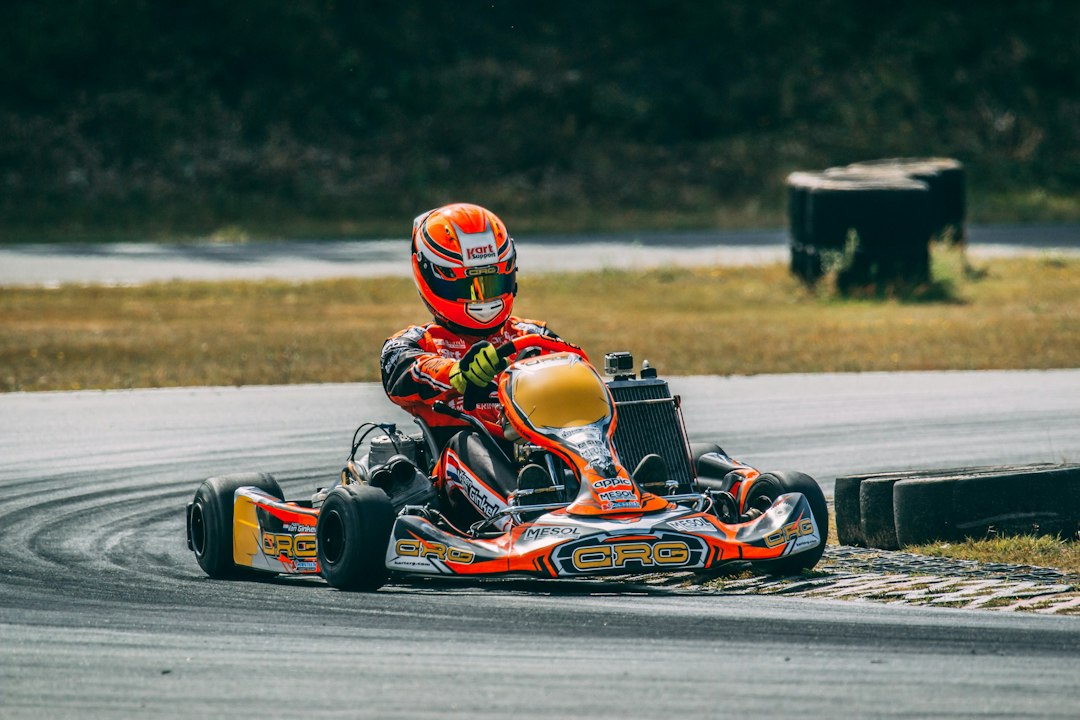
A go kart without engine is usually sold as a rolling chassis: a complete frame with steering, axle, wheels, brakes and seat, ready for the power unit of your choice. It is a popular route for builders who already own an engine, want an electric conversion, or prefer to pick their own motor rather than pay for a package. The phrase also covers gravity karts and pedal karts that never had an engine at all. This guide explains each option, what a rolling chassis should include, typical USD prices, how to match an engine or motor to the frame, and the inspection points that separate a good buy from a project that costs more than a complete kart.
Part of our Go-Kart Engines & Drivetrain guide — explore the full guide →
What Is a Go Kart Without Engine?
Sellers use the phrase for three different things. The most common is a rolling chassis, which is a kart that rolls and steers but has no engine, and sometimes no clutch, chain or throttle linkage. The second is a bare frame, which is just the welded tube structure with few or no components attached. The third is a kart designed to run without any engine at all, such as a gravity racer or a pedal kart.
Understanding which one you are looking at matters, because the cost of finishing each is very different. A listing that says “no engine” can mean anything from a nearly complete kart to a bare set of welded tubes, so always ask for a full parts list and clear photos.
Types of Engineless Karts
Racing rolling chassis. Sprint racing karts are often sold without an engine because racers choose engines by class. A racing rolling chassis typically includes the frame, axle, hubs, wheels, tires, brakes, steering, seat and bodywork. The buyer adds an engine, clutch, chain, exhaust and fuel system that suit the class they plan to run.
Recreational rolling chassis. Yard and off-road karts are sometimes sold without an engine after the original failed or was removed. These usually include an engine mount plate but may be missing the clutch, chain, throttle cable and kill switch.
Bare frames and frame kits. A frame alone, either used or newly fabricated, is the starting point for a full build. You will need to buy every running component. Our guide to go-kart frames for sale covers what to look for.
Gravity and soapbox karts. These run downhill under gravity alone. They are popular for youth events and charity races, and they need excellent brakes and steering because the driver cannot slow down by lifting off a throttle.
Pedal karts. Pedal go-karts use a crank and chain or direct drive to turn the wheels. They are designed from the start as human-powered machines. Our pedal go-kart guide covers them in detail.
Best Go Kart Engine: our top 3 picks
| Product | Best for | Key features | Price | Buy |
|---|---|---|---|---|
| maXpeedingrods MXR212R | Best overall 212cc |
| $149.99as of Oct 26, 2026 4:00 am EDT | Buy now →Check current price |
| maXpeedingrods MXR212E | Best electric start |
| $209.99as of Oct 26, 2026 4:00 am EDT | Buy now →Check current price |
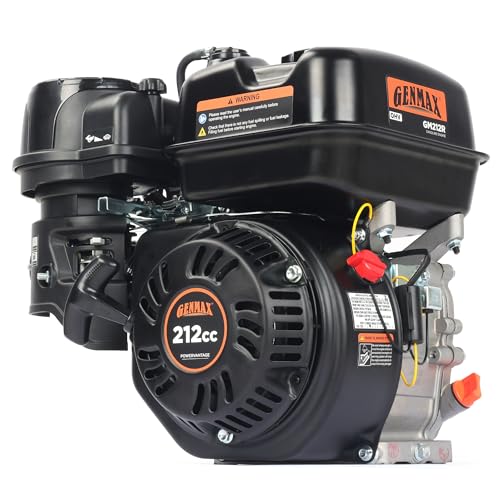
| GENMAX GM212R | Best support plan |
| $169.99as of Oct 26, 2026 4:00 am EDT | Buy now →Check current price |


Prices are Amazon’s listed prices as of the date and time shown and are subject to change; the price on Amazon at the time of purchase applies. As an Amazon Associate we earn from qualifying purchases.
Engineless Options Compared
| Option | What Is Included | Work to Finish | Typical Used Price | Best For |
|---|---|---|---|---|
| Racing rolling chassis | Frame, axle, brakes, steering, wheels, seat | Engine, clutch, chain, exhaust | About $500 to $3,000+ | Club racers choosing a class |
| Recreational rolling chassis | Frame, wheels, steering, brake, mount plate | Engine, clutch, throttle, chain | About $150 to $800 | Builders with a spare engine |
| Bare frame | Frame only | Almost everything | About $50 to $500 | Experienced DIY builders |
| Gravity kart | Complete, no power | Little or none | Varies widely | Downhill events and youth projects |
| Pedal kart | Complete, human powered | None | About $100 to $600 | Children and casual adults |
These ranges are rough. Condition, age, brand and location all move prices, so compare several listings before buying.
What a Rolling Chassis Should Include
- Straight frame. No cracks, kinks or poor weld repairs, especially around the steering column, spindles, engine mount and rear bearing hangers.
- Working steering. Smooth movement without binding, with no excessive play in tie rods or spindles.
- Brake system. A brake that actually stops the kart, whether mechanical band, drum or hydraulic disc.
- Straight axle and good bearings. Spin each rear wheel and watch for wobble or roughness.
- Usable wheels and tires. Cracked or hardened tires are cheap to replace but add to the total cost.
- Seat and seat mounts. The seat should be secure and suit the driver’s size.
- Engine mount. Check the mount plate or rails and note which engine patterns they suit.
Adding an Engine to a Go Kart Without Engine
Match the mount. Recreational karts are usually set up for horizontal-shaft utility engines of a similar size, while racing chassis use a clamp-on mount designed for kart racing engines. Measure the bolt pattern and shaft height before you buy.
Match shaft size and clutch. The engine’s crankshaft diameter decides which clutch or torque converter you need. Common sizes on small utility engines include 3/4 inch and 1 inch shafts, but always confirm with the engine documentation.
Line up the chain. The clutch sprocket must align with the axle sprocket. Use a straightedge across both and adjust the engine position until they line up.
Add the controls. You will need a throttle pedal and cable, a kill switch, and often a fuel line and tank if the engine lacks one. Many builders buy a complete go-kart engine kit that bundles engine, clutch and hardware.
Popular choices. Small horizontal-shaft engines around the 200cc class are the usual pick for recreational rolling chassis because of wide parts support. Our Predator 212 engine guide covers one of the most common examples.
Going Electric Instead
A rolling chassis is a good base for an electric conversion. You need a motor, a controller, batteries, a throttle, a main switch or contactor, wiring and a battery mounting system. Electric conversions can be quieter and simpler to maintain, but batteries add cost and weight, and wiring must be done carefully to avoid fire risk.
Check the frame has space for battery boxes low and central, which helps handling, and plan cable routes away from the chain and hot brake parts.
Cost to Finish an Engineless Kart
A recreational rolling chassis plus a new small engine, clutch, chain and throttle parts often totals several hundred dollars more than the chassis price. Racing chassis get expensive faster, because racing engines, clutches and exhaust systems cost more and classes may require specific parts.
Before buying, list every missing part and price it. If the total approaches the cost of a complete used kart, a running kart may be the better value. Our breakdown of how much it costs to build a go-kart gives realistic part-by-part figures.
Safety Considerations
An engineless kart still needs proper brakes, steering and a secure seat, and gravity karts need them most of all because they can reach surprising speeds downhill. Inspect welds, fasteners and brake parts carefully on any used chassis. When you add power, fit a chain guard, test the kill switch, and make sure the throttle returns to idle on its own. Always wear a helmet when driving.
Pros and Cons
Buying a kart without an engine can save money and offer flexibility, but it is not always the cheapest route.
Pros
- Choose your own engine or electric motor
- Often cheaper than a complete kart
- Good way to reuse an engine you already own
- Racing chassis let you pick the class you want
Cons
- Total cost can exceed a complete used kart
- Hidden frame or brake problems are common on used units
- Requires mechanical skill and tools to finish
- Mount and shaft sizes may not suit your engine
Frequently Asked Questions
What is a rolling chassis go kart?
Can I put any engine on a go kart frame?
Is it cheaper to buy a kart without an engine?
Can a go kart run without an engine?
Should I go electric or gas on an engineless kart?
What should I check on a used rolling chassis?
Final Thoughts
A go kart without engine gives you control over what powers it, but only if the chassis is sound and the finishing costs add up. Inspect the frame and running gear carefully, list and price every missing part, and confirm your chosen engine fits before handing over money. When you are ready to put it all together, our complete DIY go-kart build guide walks through the full process.