
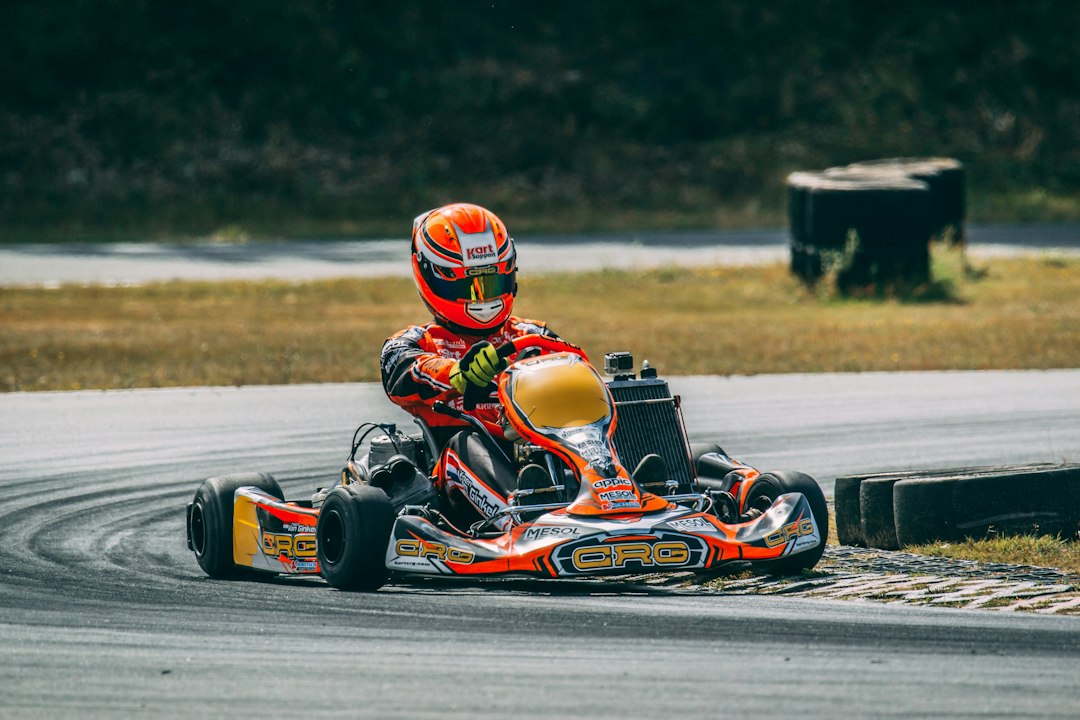
A heavy duty go kart clutch is a centrifugal clutch built to survive more load, heat and abuse than the basic clutch that ships on many budget karts. If your kart carries two riders, climbs hills, runs in grass or sand, or has an upgraded engine, a standard clutch can slip, glaze and fail within a few weekends. This guide explains what makes a clutch heavy duty, the main types, how to size one for your engine and kart, typical USD prices, installation steps, and the maintenance that stops a good clutch from burning up. It focuses on high-load use rather than racing or general clutch basics.
Part of our Go-Kart Engines & Drivetrain guide — explore the full guide →
What Makes a Heavy Duty Go Kart Clutch Different?
All centrifugal kart clutches work the same basic way. Shoes inside a drum are held in by springs at idle. As engine speed rises, the shoes swing outward and grip the inside of the drum, which turns the drive sprocket and the chain. Our general centrifugal clutch guide covers that mechanism in detail.
A heavy duty clutch keeps that design but upgrades the parts that suffer under load:
- More friction area. Wider or additional shoes spread heat over a larger surface, so the lining does not glaze as fast.
- Better friction material. Linings are designed to tolerate higher temperatures before they fade.
- Stronger drum and hub. Thicker steel resists warping and cracking when the clutch gets hot.
- Quality bearings. Sealed ball or needle bearings replace plain bronze bushings, which reduces wear when the drum freewheels at idle.
- Heat management. Some designs add cooling holes or fins in the drum to shed heat.
The result is a clutch that tolerates longer periods of partial engagement, which is exactly what happens when a heavy kart pulls away slowly or crawls up a slope.
Why Standard Clutches Fail Under Load
A centrifugal clutch is happiest when it engages quickly and locks up fully. Trouble starts when the kart cannot accelerate hard enough to get the clutch to full lockup. The shoes slip against the drum for long periods, and that friction turns into heat. Common causes include:
- A heavy kart or two adult riders.
- Gearing that is too tall for the terrain.
- Soft ground such as grass, sand or mud.
- Repeated slow-speed riding around tight yards.
- An engine upgrade that produces more torque than the clutch was designed for.
Signs of an overloaded clutch include a burning smell, a blue or discolored drum, a high-pitched squeal, and a kart that revs without moving much. Fixing the root cause, often gearing, matters as much as buying a stronger clutch.
Best Predator 212 Clutch and Torque Converter: our top 3 picks
| Product | Best for | Key features | Price | Buy |
|---|---|---|---|---|
| Youxmoto 30 Series Torque Converter | Best overall |
| $56.99as of Oct 26, 2026 5:28 am EDT | Buy now →Check current price |
| ILONPA 10T Centrifugal Clutch | Best centrifugal clutch |
| $25.99as of Oct 26, 2026 5:28 am EDT | Buy now →Check current price |
| GYMMEDS 30 Series Torque Converter | Best for mixed hardware threads |
| $58.66as of Oct 26, 2026 5:28 am EDT | Buy now →Check current price |


Prices are Amazon’s listed prices as of the date and time shown and are subject to change; the price on Amazon at the time of purchase applies. As an Amazon Associate we earn from qualifying purchases.
See every pick compared: Best Predator 212 Clutch and Torque Converter →
Types of Heavy Duty Kart Clutch
| Clutch Type | How It Works | Best For | Main Limitation |
|---|---|---|---|
| Heavy duty shoe clutch (drum and sprocket) | Larger shoes grip a drum with an integral sprocket | Yard karts, minibikes, modest off-road use | Still slips if gearing is too tall |
| Multi-disc dry clutch | Several friction discs clamp together as weights move outward | Higher-output engines and racing | Higher cost, more maintenance |
| Adjustable engagement clutch | Spring or weight changes alter engagement rpm | Tuning to a specific engine and kart | Needs careful setup |
| Torque converter (CVT) | Variable belt pulleys change ratio automatically | Heavy, two-seat and off-road karts | Bulkier, belt is a wear item |
For heavy recreational karts that spend time on hills or soft ground, many builders decide a torque converter is a better answer than any clutch, because it multiplies torque instead of slipping. Our torque converter vs clutch comparison explains that trade-off.
How to Choose a Heavy Duty Go Kart Clutch
Match the bore and keyway. The clutch hub must fit your crankshaft. Small engines commonly use 3/4 inch or 1 inch shafts, with a matching keyway. Measure rather than guess.
Match the chain size. The clutch sprocket must suit your chain. #35 chain is common on light karts, while #40 and #41 chains are used on heavier and more powerful karts. A heavy duty build often moves up a chain size at the same time.
Choose a sensible tooth count. Fewer teeth on the clutch sprocket give a lower, stronger ratio that gets the clutch locked up sooner. That is often the single best change for a slipping clutch on a heavy kart.
Check the horsepower rating. Manufacturers rate each model for a range of engine output. Choose one rated comfortably above your engine, especially if it is modified.
Check engagement speed. Engagement rpm must sit above your idle speed and in a range where the engine makes useful torque. Too low and it bogs; too high and the kart lurches.
If your engine is a popular 212cc unit, the dedicated clutch for Predator 212 guide covers fitment specific to that engine.
Cost of a Heavy Duty Clutch
Typical USD ranges, which vary by brand and bore size:
- Basic heavy duty shoe clutches: roughly $40 to $100.
- Premium shoe clutches with better bearings and linings: roughly $80 to $180.
- Multi-disc and adjustable racing-style clutches: often $200 to $500 or more.
- Replacement springs, shoes and bearings: usually $10 to $50 per kit.
Remember to budget for a new chain and axle sprocket if you change chain size or gearing at the same time.
Installing a Heavy Duty Clutch
- Disconnect the spark plug lead so the engine cannot fire.
- Remove the old clutch. Most use a centre bolt with a washer; a puller may help if the hub is seized on the shaft.
- Clean the crankshaft and check the key for damage. Replace a worn key.
- Slide the new clutch on with the key in place and fit the retaining bolt and washer. Use thread locker and tighten to the torque the maker specifies.
- Check sprocket alignment with the axle sprocket using a straightedge.
- Fit the chain and set tension, usually by sliding the engine plate. Aim for a small amount of slack, as specified in your kart’s manual.
- Fit or refit the chain guard before running.
Start the engine with the rear wheels off the ground and confirm the clutch disengages at idle. If the wheels turn at idle, lower the idle speed or check the clutch springs.
Maintenance That Prevents Clutch Failure
Lubricate the bearing. Drum bushings and bearings need regular lubrication as directed by the manufacturer. A dry bushing wears quickly and lets the drum wobble.
Keep oil off the friction surfaces. Chain lube flung onto the shoes or into the drum causes slip. Wipe excess lube off the chain and keep the guard fitted.
Inspect shoes and springs. Look for glazed or thin linings and stretched or broken springs. A weak spring causes early engagement and creep at idle.
Watch the drum color. Blue or brown heat marks mean the clutch is running hot. Address gearing, load or driving habits before the next ride.
Clutch checks belong in a wider routine; our guide to go-kart maintenance lists what to inspect and when.
Driving Habits That Save Clutches
How you drive matters as much as the hardware. Avoid feathering the throttle at low speed, which keeps the clutch half-engaged. Accelerate decisively so the clutch locks up, and back off fully when stopping. On hills, approach with momentum rather than starting from a stop halfway up. If you need to crawl slowly through obstacles, a torque converter or a transmission with a low gear is the better tool than any clutch.
Pros and Cons
A heavy duty clutch is a worthwhile upgrade in the right situation, but it does not fix everything.
Pros
- Handles more heat and load than a stock clutch
- Longer life on heavy and two-seat karts
- Better bearings reduce wear at idle
- Simple bolt-on replacement for most engines
Cons
- Still slips if gearing is too tall for the kart
- Costs more than a basic clutch
- Some models are heavier
- Does not multiply torque like a torque converter
Frequently Asked Questions
Do I need a heavy duty clutch for a two-seat go-kart?
Why does my go-kart clutch keep burning out?
What size clutch do I need?
Is a torque converter better than a heavy duty clutch?
How often should I oil my go-kart clutch?
Can I adjust when my clutch engages?
Final Thoughts
A heavy duty go kart clutch makes sense when weight, terrain or extra power overloads a stock unit. Pick one rated for your engine, match the bore and chain, lower the gearing if the kart struggles, and keep the bearing lubricated and the friction surfaces clean. For a wider look at every clutch style, start with our main go-kart clutch guide.