

An electric start go kart engine is a gas engine fitted with a 12-volt starter motor, so you start it with a key or button instead of a pull cord. You can buy one two ways: a small four-stroke sold with electric start from the factory, common on 300–420cc-class engines and available on some 196–224cc models, or a retrofit kit added to the pull-start engine you already own. Either way the system needs a ring-gear flywheel, starter, solenoid, switch, battery, and proper wiring. Electric start is worth it on heavy karts, kids karts, and hard-to-reach engines; on a light kart with a healthy engine, a pull cord is often fine. This guide explains how it works, your options, costs, and installation.
Part of our Go-Kart Engines & Drivetrain guide — explore the full guide →
How an Electric Start Go Kart Engine Works
The design comes from lawn tractors and small power equipment. A 12V starter motor bolts to the engine crankcase, and its small pinion gear meshes with a ring gear on the flywheel. When you turn the key or press the button, a solenoid closes a heavy-current circuit from the battery to the starter. The starter spins the flywheel fast enough for the ignition to fire, and once the engine runs, the pinion disengages.
Many factory electric start engines also include a charging coil under the flywheel. Wired through a rectifier or regulator, it sends a small current back to the battery while the engine runs, so the system can sustain itself with regular use.
The essential parts are:
- A flywheel with a ring gear (or a starter cup the system can engage)
- A 12V starter motor that fits your crankcase mounting points
- A solenoid or starter relay
- A key switch or push button
- A 12V battery in a secure mount
- Correctly sized cable, an inline fuse, and a solid ground
Miss any one and the system will not work reliably. In practice, most retrofit problems come from wiring shortcuts rather than faulty parts.
Types of Electric Start for Go-Kart Engines
Factory electric start engines
Many larger horizontal-shaft engines in the 300–420cc range are offered with electric start, usually with a charging coil, key switch, and wiring harness. In the 196–224cc class, pull start is far more common, but some models and variants include electric start. If you are buying new for a two-seater, a heavy off-road kart, or a kart for younger drivers, choosing the electric start version from the start is usually cleaner and cheaper than converting later. Our go-kart engine guide explains the main engine families, and the best go-kart engine roundup compares popular models.
Retrofit kits for pull-start engines
Retrofit kits for common clone engines typically include a replacement flywheel with ring gear, a starter motor and bolts, a solenoid, a switch, and a wiring harness. Fitment is critical. The crankcase needs the cast starter mounting bosses, and the flywheel must match your crankshaft taper and keyway. Check that the kit is listed for your exact engine version. Owners of the most popular clone should read our Predator 212 electric start kit guide for model-specific details.
External handheld starters
Many race karts skip onboard starting entirely. A handheld starter spins the engine through the clutch or a starter hub, adding no weight to the kart. You need the tool and its battery with you every session. Our go-kart engine starter guide compares pull, electric, and handheld starting in more detail.
Best Go Kart Engine: our top 3 picks
| Product | Best for | Key features | Price | Buy |
|---|---|---|---|---|
| maXpeedingrods MXR212R | Best overall 212cc |
| $149.99as of Nov 17, 2026 1:03 pm EST | Buy now →Check current price |
| maXpeedingrods MXR212E | Best electric start |
| $209.99as of Nov 17, 2026 1:03 pm EST | Buy now →Check current price |
| GENMAX GM212R | Best support plan |
| $169.99as of Nov 17, 2026 1:03 pm EST | Buy now →Check current price |


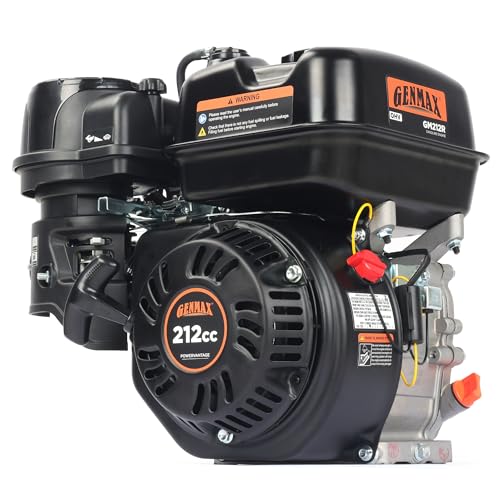
Prices are Amazon’s listed prices as of the date and time shown and are subject to change; the price on Amazon at the time of purchase applies. As an Amazon Associate we earn from qualifying purchases.
Electric Start Options Compared
| Option | Typical cost (USD) | Added weight on kart | Charging | Best for |
|---|---|---|---|---|
| Factory e-start engine (300–420cc class) | Usually a modest premium over pull start | Starter built in, plus battery | Usually included | Two-seaters, heavy off-road karts |
| Factory e-start engine (196–224cc class) | Usually a modest premium over pull start | Starter built in, plus battery | Varies by model | New builds wanting button start |
| Retrofit kit on existing engine | $80–$200 plus battery | Several pounds total | Often not included | Upgrading a kart you already run |
| External handheld starter | $150–$350 | None | Not applicable | Race karts where weight matters |
| Pull start | $0 | None | Not applicable | Light karts with healthy engines |
Prices vary by brand, region, and kit contents. Check exactly what is in the box before comparing.
Cost and Considerations
For a typical clone retrofit, budget roughly $80 to $200 for the kit, $30 to $80 for a small 12V battery, and a little more for cable, terminals, a fuse, and a battery tray. A factory electric start engine usually costs only modestly more than the pull-start version, which is why converting a larger engine after purchase rarely makes financial sense.
Charging is the biggest practical issue. Many inexpensive retrofit kits do not include a charging coil, so the battery slowly drains and needs a bench charger between rides. If your engine has a charging or lighting coil, wire it through a suitable regulator and the system can maintain itself. If not, plan on a smart charger or maintainer.
Weight is the other trade-off. A starter, battery, and bracket add several pounds, which barely matters on a heavy two-seat trail kart but is noticeable on a light single-seater. Also be honest about need: a healthy, well-tuned small engine usually starts in one or two pulls. If yours does not, check the carburetor, choke, spark plug, and valve lash before spending on a starter.
How to Install an Electric Start Kit
Always follow the kit instructions and your engine manual. The general sequence is:
- Disconnect the spark plug wire and remove fuel risk by draining or shutting off fuel.
- Remove the shroud and recoil starter.
- Remove the flywheel nut and pull the flywheel with a proper puller. Hammering on the crank can damage it.
- Install the ring-gear flywheel with the key seated correctly, and torque the nut to the manufacturer specification.
- Bolt the starter to the crankcase bosses and check that the pinion meshes cleanly with the ring gear.
- Mount the battery in a secure tray or box away from the exhaust.
- Wire the circuit, then test with the kart on a stand and the drive wheels off the ground.
Wiring basics
Run battery positive to the solenoid, then from the solenoid to the starter with heavy-gauge cable sized for the starter current and cable length, as specified by the kit. Connect the key switch or button to the solenoid trigger terminal. Run a solid ground from battery negative directly to clean, bare metal on the engine, not a painted frame tube. Add an inline fuse close to the battery, protect cables with loom, and route everything clear of the exhaust and moving parts. If you are planning the full electrical layout, our go-kart wiring diagram guide shows how the switch, kill switch, and battery usually connect.
Maintenance and Troubleshooting
Keep the battery charged, especially over winter, since lead-acid batteries can be damaged by sitting flat. Clean and tighten terminals regularly, and inspect cables for chafing. Check that the starter mounting bolts stay tight, because vibration loosens hardware on karts.
If the starter clicks but does not spin, the cause is usually a weak battery or a poor ground. Check battery voltage under load and clean the ground connection before replacing parts. If the starter spins but the engine does not fire, the starter is doing its job; look at fuel, spark, and choke instead. A grinding noise usually means the pinion and ring gear are not meshing correctly.
Pros and Cons
Weigh the convenience against the weight and wiring before you commit.
Pros
- Push-button starting for kids and anyone with limited shoulder strength
- Quick restarts after a stall on the trail
- Key switch adds basic security on shared karts
- Factory systems often include charging so the battery stays topped up
Cons
- Adds several pounds of starter and battery weight
- Many retrofit kits lack charging so the battery needs bench charging
- More wiring means more failure points in wet or muddy use
- A healthy small engine already starts easily with a pull cord
Frequently Asked Questions
Can I add electric start to a pull-start go-kart engine?
What battery does an electric start go-kart engine need?
Does an electric start engine charge its own battery?
How much does it cost to add electric start?
Is electric start worth it on a go-kart?
Why does my electric start click but not crank?
Final Thoughts
An electric start go kart engine is either essential or unnecessary, with little middle ground. Heavy karts, young drivers, and buried engines justify it easily; light builds with a well-tuned engine often do not. If you are buying new, choose the factory electric start version, especially in the larger engine classes. If you are converting, buy a kit listed for your exact engine, wire it carefully with a fuse and good ground, and plan how the battery will stay charged.