
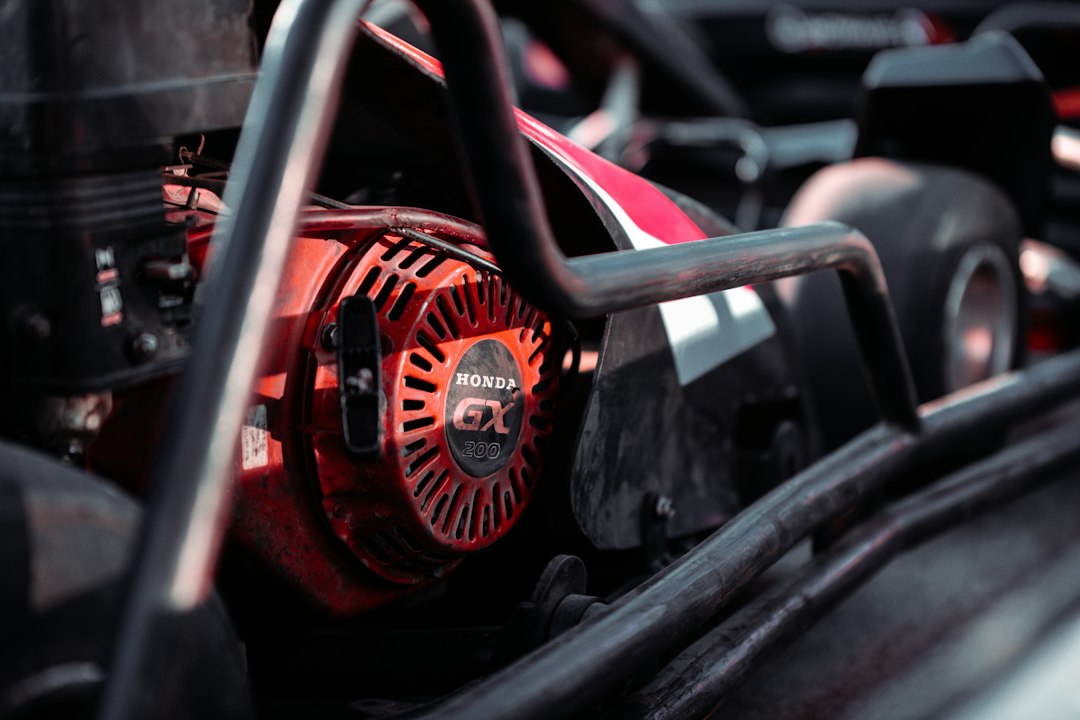
A go kart engine starter is the system that spins the crankshaft fast enough for the engine to fire. On most backyard karts that means a recoil pull cord; on others it is an electric starter with a battery, and in racing it can be an onboard TaG starter, a handheld external starter, or a push from the pit crew. Each method has its own parts, costs, and failure points. This guide explains the main starter types, how they compare, what an electric start conversion involves, how to diagnose a starter that will not turn or catch, and how to keep the system reliable.
Part of our Go-Kart Engines & Drivetrain guide — explore the full guide →
What Is a Go Kart Engine Starter?
An engine cannot start itself from rest. Something must rotate the crankshaft so the piston compresses the fuel-air mixture and the ignition system produces a spark at the right moment. Once the engine fires and runs on its own, the starter disengages. On a go-kart, that “something” ranges from your arm pulling a cord to a battery-powered motor engaging a ring gear on the flywheel.
The right starter depends on the engine. Many small four-stroke engines come with a recoil starter and offer an electric start as an option. Racing two-strokes either have a built-in electric starter or rely on external methods. For a full overview of engine types, see our go-kart engine guide.
Types of Go Kart Engine Starter
Recoil (pull) starters. A cord wrapped around a spring-loaded pulley engages the flywheel through pawls or dogs when you pull it. Recoil starters are cheap, light, and need no battery. They are standard on most small four-stroke engines used on recreational karts, including the popular 212cc class of engines.
Electric starters. A small 12-volt starter motor, powered by a battery, engages a ring gear on the flywheel when you press a button or turn a key. Many engines can be fitted with a factory or aftermarket electric start kit. Our electric start go-kart engine guide covers engines that come with one.
Onboard TaG starters. Touch-and-go racing engines carry a lightweight electric starter and battery so the driver can start the engine from the seat and restart after a spin. They are part of the engine package and are covered by class rules.
Handheld external starters. Some racing engines without onboard starters are started with a handheld electric starter applied to the crankshaft or a starter nut. This is common in some youth classes and on direct-drive engines.
Push and bump starting. Shifter karts and some direct-drive karts are started by pushing the kart, sometimes on a stand with a roller starter, and engaging the drive. It requires help but saves weight on the kart.
Starter Types Compared
| Starter Type | Convenience | Added Weight | Needs Battery | Typical Cost | Common Use |
|---|---|---|---|---|---|
| Recoil pull start | Moderate | Minimal | No | $20-$50 replacement | Recreational four-strokes |
| Electric start kit | High | Several pounds | Yes | $100-$250 conversion | Yard karts, kids karts, two-seaters |
| Onboard TaG starter | High | Light | Yes | Part of engine | 125cc racing |
| Handheld external starter | Moderate | None on kart | Separate | $150-$400 | Some racing classes |
| Push or roller start | Low | None | No | Low or none | Shifters, direct drive |
Costs are typical US ranges and vary with engine model and kit contents.
Electric Start Conversions
Converting a pull-start engine to electric start is one of the most popular upgrades for recreational karts, especially for kids, adults with shoulder problems, and two-seaters where the driver sits far from the engine. A typical kit includes the starter motor, a flywheel with ring gear or a replacement starter cup, a mounting bracket or modified cover, a solenoid or relay, a key or push-button switch, and wiring. You supply a suitable battery and a secure mount for it.
Some engines need the flywheel replaced to accept the ring gear, which means removing the flywheel nut and using a puller. Others bolt on more easily. Our guide to the Predator 212 electric start kit shows what the job involves on one of the most common kart engines.
Before buying, confirm the kit is made for your exact engine model and version, as flywheels and covers differ between generations.
How to Choose a Starter Setup
Consider the driver. If young or less strong drivers will start the kart, an electric start makes life much easier and safer, since they are not leaning over a hot engine.
Consider weight and simplicity. A pull start keeps the kart light and avoids battery maintenance. On racing karts, class rules usually decide the starter.
Check your electrical needs. If you also want lights or other accessories, a battery for electric start can power those too, as long as the engine has a charging system or you charge the battery between uses.
Keep a backup. Many electric start conversions keep the recoil starter, which is useful if the battery goes flat.
Troubleshooting a Starter That Will Not Work
Pull cord will not retract. The recoil spring may be broken or unhooked. Replacement springs and complete recoil assemblies are inexpensive.
Pull cord spins but the engine does not turn. The pawls or dogs that engage the starter cup may be worn or stuck. Clean or replace them.
Electric starter clicks but does not spin. Usually a weak battery, a poor ground connection, or corroded terminals. Charge the battery and clean every connection before suspecting the motor.
Starter spins but does not engage. The starter drive or ring gear may be worn, or the starter may be misaligned.
Engine turns over but will not fire. The starter is doing its job; look at fuel, spark, and choke. Our guide on how to start a go-kart walks through the correct starting procedure and common fuel and ignition problems.
Batteries and Wiring
Electric starters draw a lot of current for a short time. Use a battery that the starter kit manufacturer recommends, and mount it securely in a protected spot away from the exhaust and moving parts. Route wiring along the frame with clips or ties, add a fuse where the kit specifies, and keep connections tight and clean. A loose ground is the most common reason for an electric starter to fail intermittently.
Charge the battery with a suitable charger after each use or store it on a maintainer during the off season. Deeply discharged batteries lose capacity and may not crank the engine on a cold day.
Replacing a Recoil Starter
Recoil starters are the most common starter part to fail, and replacing one is a simple job. Remove the bolts that hold the recoil housing to the engine shroud, lift it off, and fit the new assembly in the same orientation, making sure the pawls line up with the starter cup on the flywheel. Tighten the bolts evenly and test with a few gentle pulls before starting the engine.
If only the cord is broken, you can usually replace the rope alone. Release spring tension carefully, thread a new cord of the correct diameter through the pulley and handle, then wind the spring back to its preload. The recoil spring is under tension and can uncoil sharply, so wear eye protection and follow the engine manual. Many owners simply swap the whole assembly to avoid handling the spring.
Maintenance Tips
Inspect the pull cord for fraying and replace it before it snaps. Keep the recoil housing free of grass and dirt. On electric systems, check terminals for corrosion and test battery voltage regularly. Make sure the kill switch and ignition switch work every time, as they are your way to stop the engine in an emergency.
Safety Considerations
Always start a kart with the driver seated or the drive wheels off the ground, and make sure the clutch or torque converter will not engage at idle. Keep hands clear of the chain and exhaust. When push starting, coordinate clearly with helpers and use a proper stand where available.
Pros and Cons
Electric start is the most common upgrade, but it is not the right choice for every kart.
Pros
- Electric start is easy for kids and adults alike
- Restart after a stall without leaving the seat
- Pull starters are cheap, light and battery free
- Many conversions keep the pull cord as backup
Cons
- Electric systems add weight and wiring
- Batteries need charging and maintenance
- Some conversions require flywheel replacement
- Racing classes may restrict starter choice
Frequently Asked Questions
Can I add electric start to any go-kart engine?
What battery does a go-kart electric starter need?
Why does my electric starter just click?
How do shifter karts start without a starter?
Is a recoil starter easy to replace?
Does electric start drain the battery when not in use?
Final Thoughts
The best go kart engine starter is the one that suits your engine, your drivers, and your rules. Recoil starters remain simple and reliable, electric starts add convenience, and racing engines follow class requirements. If you own one of the most common kart engines, our Predator 212 engine guide shows how starting options fit into the wider upgrade path.