
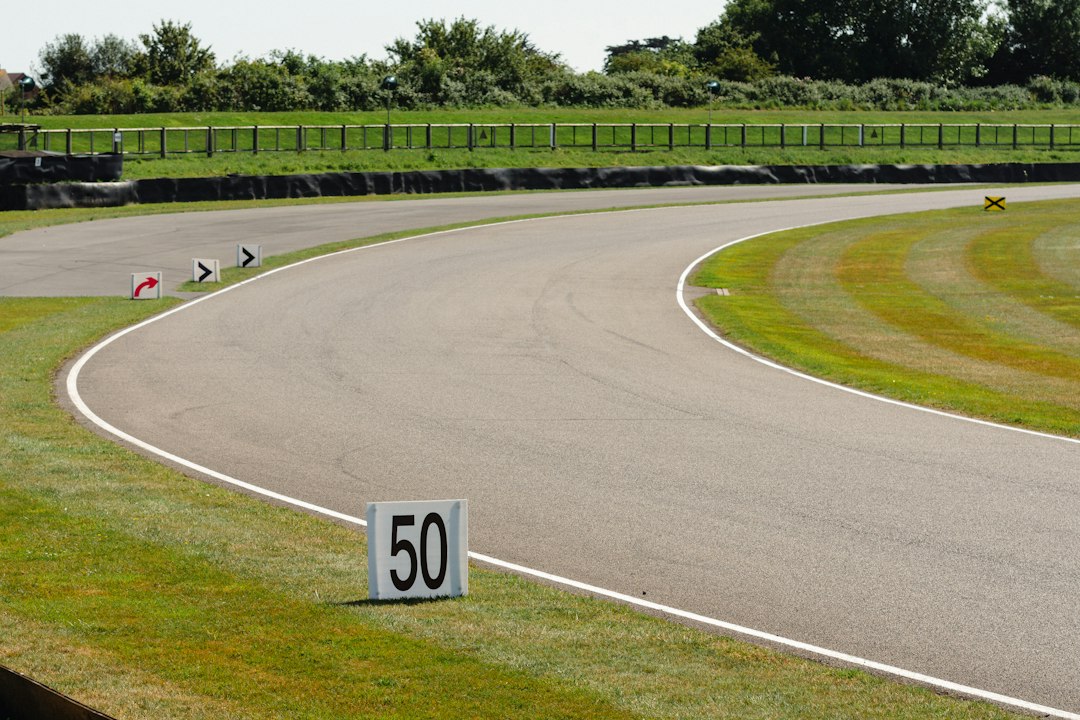
Learning how to drive a go kart takes minutes, and learning to drive one well takes much longer. The basics are simple: right foot for the throttle, left foot for the brake, both hands on the wheel, and never press both pedals at once. Beyond that, smooth inputs, good vision, and an understanding of the racing line make you faster and safer. This guide explains the controls, the step-by-step process for your first laps, cornering and braking technique, how to adjust for rental and racing karts, the most common beginner mistakes, and the track etiquette that keeps everyone safe.
Part of our Go-Karting for Beginners guide — explore the full guide →
The Quick Answer: How to Drive a Go Kart
Sit fully back in the seat, hold the wheel with both hands at roughly the nine and three o’clock positions, and keep your right foot on the throttle and left foot on the brake. Brake in a straight line before each corner, turn in smoothly, and squeeze back on the throttle as you unwind the steering on the exit. Look ahead to where you want to go, not at the kart in front. Keep your inputs smooth, never use both pedals at once, and follow every flag and marshal instruction.
Everything else in this guide builds on those basics. If you are completely new to the sport, our complete beginner’s guide to go-karting covers costs, tracks, and how to get started.
Understanding the Controls
Throttle. The right pedal controls engine speed. Most rental and recreational karts have a centrifugal clutch, so the kart moves only when you press the throttle and stops pulling when you release it.
Brake. The left pedal operates the brakes. On most karts it acts on the rear axle only, so heavy braking can lock the rear wheels and spin the kart. Some racing and shifter karts also have front brakes.
Steering. Karts have direct steering with no power assistance. The wheel feels heavy at speed, and small movements produce a quick response.
No gears. Most karts have no gearbox. Shifter karts are the exception and add a gear lever and hand clutch, which experienced drivers use.
Before You Drive
Wear the right clothing: closed shoes, long pants or a suit, and no loose scarves or long hair outside the helmet. Rental tracks supply helmets, and many offer neck braces or hair nets. Our guide on what to wear go-karting covers the details.
Adjust the seat or pedals if possible so you can press the brake fully with your leg slightly bent. Your arms should also be slightly bent when holding the top of the wheel. Listen to the safety briefing, especially the flag meanings and the track’s rules on contact and passing.
Step by Step: Your First Laps
1. Get comfortable. Sit back with your shoulders against the seat. Hold the wheel lightly but firmly.
2. Leave the pit lane slowly. Follow the pit exit lane and merge onto the track carefully, checking for other karts.
3. Learn the track. Use the first few laps to learn the layout at moderate speed. Note where the corners tighten and where the braking points are.
4. Brake in a straight line. Do most of your braking before you turn the wheel. Braking hard while turning can make the rear slide.
5. Turn in smoothly. Steer progressively into the corner instead of jerking the wheel.
6. Accelerate out. As you pass the tightest point of the corner and begin to straighten the wheel, squeeze the throttle back on. Full throttle should come once the kart is pointed down the next straight.
7. Build speed gradually. Each lap, brake slightly later and carry a little more speed, but only as long as the kart feels stable.
Cornering and the Racing Line
The fastest way around a corner is usually the racing line: start on the outside edge, cut to the inside at the apex, and drift back to the outside on the exit. This makes the corner as wide and gentle as possible, so you can carry more speed. Our full guide to the karting racing line explains apexes, late apexes, and how to link corners.
Vision is part of the technique. Look through the corner to the apex as you turn in, then to the exit as you reach the apex. Your hands tend to follow your eyes.
Braking Technique
Most kart brakes work on the rear wheels, so locking them is easy. Press the brake firmly and quickly at first, then ease off as the kart slows and you begin turning. If the rear wheels lock and the kart starts to slide, release the brake slightly to regain grip.
Never press the throttle and brake at the same time. It overheats the clutch and brakes, wastes speed, and can make the kart behave unpredictably. Many rental karts are designed to cut power or slow sharply if both pedals are pressed.
Rental Karts vs Racing Karts
| Factor | Rental Kart | Racing Kart |
|---|---|---|
| Power | Modest, often limited | Much higher |
| Brakes | Usually rear only | Rear, plus front on shifters |
| Steering feel | Heavy, forgiving | Sharp, demanding |
| Grip | Hard, durable tires | Soft racing tires |
| Driving style | Smooth, momentum based | Precise braking, late apex |
Rental karts reward momentum: avoid scrubbing speed with too much steering or braking. Racing karts reward precision and aggression with the brakes. If you start with rentals, our go-kart rental guide explains what to expect at commercial tracks.
Common Beginner Mistakes
Over-steering. Turning the wheel too much makes the front tires scrub and slows the kart. Use only as much lock as the corner needs.
Braking too late or in the corner. Late braking feels fast but often ruins the exit. Brake earlier and accelerate sooner.
Looking at the kart ahead. Focus on the track and your line, and you will naturally avoid others.
Jerky inputs. Sudden steering, braking, or throttle changes unsettle the kart. Smoothness is speed.
Tensing up. Gripping the wheel too hard tires your arms quickly. Relax your grip and shoulders.
Track Etiquette and Flags
Learn the flag signals before driving. Common examples include green for go, yellow for caution with no overtaking, red to stop safely, blue to let a faster kart pass, and black for a penalty or instruction to return to the pits. Exact meanings and rules vary by track, so follow the briefing. If you spin, stay in the kart with your belt or harness on if fitted, raise a hand, and wait for marshals.
Hold your line when being passed, and do not deliberately bump other karts. Contact is a common cause of injury and is usually against the rules even in casual sessions.
Driving in the Wet
Rain changes everything. Grip drops sharply, braking distances grow, and the kart slides more easily. Brake earlier and more gently, steer with smaller inputs, and squeeze the throttle on even more progressively. Many drivers find grip off the usual racing line in the wet, because the dry line is coated with rubber that becomes slippery. Visibility also suffers, so leave extra space to the kart in front and watch for spray.
Physical Preparation
Karts have no power steering and generate strong cornering forces, so even a short session can tire your arms, neck, and core. Stay hydrated, stretch before driving, and take breaks between sessions. If your forearms or hands tire quickly, loosen your grip; a relaxed hold is both faster and less tiring.
Getting Faster
Once you are comfortable, focus on consistency before outright speed. Try to hit the same braking points and apexes lap after lap. Many tracks offer timing printouts, which let you compare laps. Our guide on how to win at go-karting covers overtaking, race starts, and racecraft.
Pros and Cons
Go-karting is one of the most accessible forms of motorsport, with honest limits.
Pros
- Simple two-pedal controls anyone can learn
- Teaches real racing skills like braking and lines
- Rental tracks provide karts, helmets and briefings
- Smooth driving rewards skill over strength
Cons
- Steering is heavy and tiring for new drivers
- Rear brakes lock easily if you stamp on them
- Contact and spins can cause minor injuries
- Fast laps take many sessions to master
Frequently Asked Questions
Is driving a go kart hard?
Should I use both feet when driving a go kart?
How do I go faster in a go kart?
What should I do if my kart spins?
Why does my go kart slide when I brake?
Do I need a license to drive a go kart?
Final Thoughts
Knowing how to drive a go kart starts with the basics: two pedals used one at a time, braking in a straight line, smooth steering, and eyes up the track. From there, learn the racing line and focus on consistency. When you are ready for more, explore indoor go-kart racing leagues or club racing at your local track.