

When you browse kids go karts for sale, start by matching the type to your child, not the price. Pedal karts suit roughly ages 3 to 7, battery-powered ride-ons suit about 5 to 10, small gas or higher-voltage electric karts suit older, supervised kids, and racing cadet chassis are for children entering organized competition. New karts typically run from around $100 for a pedal model to a few thousand dollars for a race-ready chassis, while the used market can cut those costs sharply if you know what to inspect. This buying guide explains each category, fair price ranges, where to buy, how to check a used kart and which safety features are non-negotiable.
Part of our Kids Go-Karts guide — explore the full guide →
What You Are Actually Buying When You Shop Kids Go-Karts for Sale
The phrase “go-kart” covers very different machines. A single search can return a plastic pedal car, a 24V ride-on with a parental remote, a gas-powered off-road buggy and a used cadet racing kart that has competed at a club track. They differ in speed, maintenance, where they can be driven and how much supervision they need.
Before you compare listings, answer three questions:
- Who is driving? Age matters, but height, weight and experience matter more. Write down your child’s current height, inseam and weight before you shop.
- Where will it run? A driveway, a big backyard, rough trails and a karting circuit each call for a different kart.
- What is the goal? Backyard fun, a long-term family hobby or a path into racing.
If you are still mapping out the whole category, our kids’ go-karts complete guide covers every type in more depth. This page focuses on the purchase itself.
Types of Kids Go-Karts You Will See for Sale
Pedal karts
Human-powered, low to the ground and slow. They are the simplest first kart for preschoolers and early grade-schoolers, need almost no maintenance and can be used on driveways and paths. Look for adjustable seats, rubber or rubber-tread tires (quieter and grippier than hard plastic) and a working hand or coaster brake.
Electric ride-on karts
Usually 12V, 24V or 36V, these are the most popular category for young children. Many offer selectable speed modes, and some higher-end models include a parental remote or speed lock. They are quiet, need no fuel and suit suburban yards where noise matters. Run time and top speed vary widely by battery and motor, so read the manufacturer’s specs rather than the headline claim.
Gas-powered youth karts
Small four-stroke engines power most youth off-road karts and buggies. They offer longer run time and more performance than entry electrics, but they are louder, hotter and need regular oil, air filter and chain care. Many include a throttle limiter, which is worth insisting on. These generally suit older children who have already shown good judgment on a slower kart.
Cadet and youth racing karts
Purpose-built chassis for organized racing, sized for young drivers and paired with class-specific engines. They are not yard toys: they belong on a track, require a race license or club membership in most places and come with ongoing costs for tires, engine service and entry fees. If racing is the goal, our kids kart racing guide explains how to get started before you buy anything.
Best Go-Karts for Kids: our top 3 picks
| Product | Best for | Key features | Price | Buy |
|---|---|---|---|---|
| Qaba 24V Electric Go Kart | Best overall electric kart, ages 6 to 12 |
| $220.99as of Oct 26, 2026 5:52 am EDT | Buy now →Check current price |
| hauck Lightning Pedal Kart | Best pedal kart, ages 4 to 8 |
| $143.99as of Oct 26, 2026 5:52 am EDT | Buy now →Check current price |
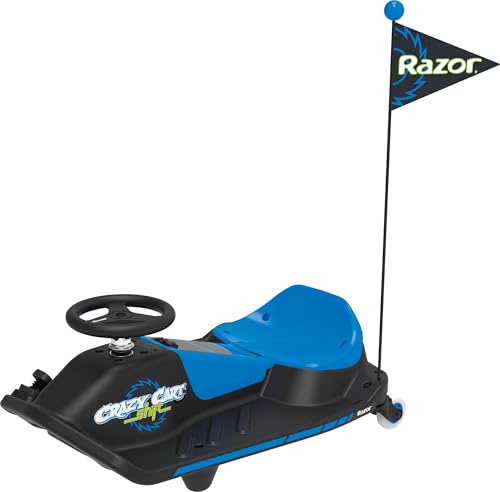
| Razor Crazy Cart Shift | Best 12V starter kart, age 6+ |
| $148.00as of Oct 26, 2026 5:22 am EDT | Buy now →Check current price |


Prices are Amazon’s listed prices as of the date and time shown and are subject to change; the price on Amazon at the time of purchase applies. As an Amazon Associate we earn from qualifying purchases.
Kids Go-Kart Types Compared
Use this table to shortlist. Age bands and prices are typical ranges for new karts in the US; individual models vary, so always confirm the manufacturer’s stated age, height and weight limits.
| Type | Typical Age | Power | Typical New Price | Upkeep | Best For |
|---|---|---|---|---|---|
| Pedal kart | 3-8 | Child-powered | $100-$400 | Very low | First kart, driveways |
| Electric ride-on | 5-10 | 12V-36V battery | $250-$900 | Low (battery care) | Supervised yard fun |
| Gas youth kart or buggy | 8-14 | Small four-stroke | $700-$2,000 | Moderate | Large yards, private trails |
| Cadet racing kart | Varies by class | Class-specific engine | $2,500-$6,000+ | High | Organized racing |
For model-level suggestions within each category, see our roundup of the best go-karts for kids, and use the best go-karts for kids by age guide if you are unsure which band your child fits.
How Much Should You Pay?
The sticker price is only part of the budget. Plan for these extra costs:
- Safety gear: a properly fitted helmet is the first purchase, typically $50 to $200 for youth sizes, plus gloves and closed shoes. Our go-kart helmets for kids guide covers sizing and certifications.
- Batteries: electric kart batteries wear out. Sealed lead-acid packs often need replacing within a few seasons; lithium packs last longer but cost more.
- Running costs: gas karts need fuel, oil, filters, chains and tires. Racing karts add tires, engine rebuilds, entry fees and transport.
- Assembly and shipping: many karts ship partially assembled in large freight boxes. Check delivery fees and whether you need to bolt on wheels, seats or steering.
As a rule of thumb, the cheapest listing in any category often skimps on brakes, guards, welds and parts support. A mid-priced kart from a brand with a parts catalog usually costs less over its lifetime than a bargain kart you cannot repair.
New vs Used: Which Is the Better Buy?
New karts come with a warranty, current safety features, complete manuals and easy access to parts. They are the safer choice for first-time buyers, especially for powered karts aimed at younger children.
Used karts can be excellent value because kids outgrow them quickly, so many are sold with little wear. The trade-off is risk: worn brakes, cracked frames, tired batteries or missing safety parts are not always visible in photos. Used racing karts are a common, sensible way into the sport, but they are best bought with help from someone experienced. Our used go-karts for sale guide goes deeper on pricing and negotiation.
Used kart inspection checklist
- Frame: look for cracks around welds, bent tubes and heavy rust, especially near the steering and axle mounts.
- Brakes: the kart should stop firmly and straight. Check pads or bands and, on hydraulic systems, look for leaks.
- Steering: excessive play, binding or clunks point to worn spindles, tie rods or bushings.
- Tires and wheels: cracking, flat spots or wobbling wheels signal age or bearing wear.
- Power: for gas karts, ask for a cold start and watch for smoke or leaks. For electric karts, ask about battery age and test a full run if possible.
- Safety parts: confirm the kill switch, chain guard, seatbelt and any speed limiter are present and working.
- Paperwork: a manual, model number and receipt make parts and support much easier to find.
Where to Buy Kids Go-Karts
Each sales channel has strengths and drawbacks:
- Kart dealers and powersports shops: best for gas and racing karts. You get setup help, parts and service, usually at a modest price premium.
- Big-box and sporting goods retailers: convenient for pedal and electric ride-ons, with easy returns. Selection of serious karts is limited.
- Manufacturer websites: full model ranges, direct warranty support and genuine spare parts.
- Online marketplaces: wide selection and frequent discounts, but quality varies. Stick to listings with full specifications, clear return policies and identifiable brands.
- Local classifieds and karting clubs: the main source of used karts. Club swap meets and race-day paddocks are often the best place to find a fairly priced cadet kart.
Our guide to the best place to buy a go-kart compares these channels in more detail.
Safety Features to Insist On
Whatever the price, do not buy a powered kids kart without the basics:
- Speed control: selectable speed modes, a throttle limiter or a parental remote so you can start slowly.
- Effective brakes: a pedal or hand brake your child can operate fully from the seat, not only motor braking.
- Kill switch or emergency stop: easy to reach, and ideally a tether or remote option for younger drivers.
- Guards: enclosed chains, belts and hot exhaust parts so hands, hair and clothing stay clear.
- Restraint and roll protection: a seatbelt where fitted, and a roll cage on off-road and buggy-style karts. Check the manufacturer rating for any cage.
- Proper fit: your child should reach the pedals with a slight knee bend and hold the wheel without stretching.
Rules also matter as much as hardware: a helmet on every ride, an adult present, a defined driving area away from roads and one rider unless the kart is designed for two.
Buy Ready-Made or Build from a Kit?
Ready-made karts are the right call for most families: they arrive tested, with clear specs and a warranty. Building from a kit appeals to hands-on parents who want a shared project and are confident with tools, but the finished kart is only as safe as the build. If that interests you, read our kids’ go-kart kit guide before deciding.
Pros and Cons of Buying a Kids Go-Kart
Pros
- Huge range of options for every age, budget and space
- Ready to drive with little or no assembly
- New karts include warranties and published safety limits
- Strong used market because children outgrow karts quickly
Cons
- Cheap listings often skimp on brakes, guards and parts support
- Easy to buy the wrong size or speed for a child
- Powered karts bring ongoing battery, fuel and parts costs
- Used karts can hide worn or unsafe parts
Frequently Asked Questions
What is a good first go-kart for a young child?
How much does a kids go-kart cost?
Is it safe to buy a used kids go-kart?
Should I buy an electric or gas go-kart for my child?
At what age can a child drive a go-kart?
What safety gear does a child need for a go-kart?
Final Thoughts
The best kart for sale is the one that fits your child today, matches where they will drive and has the safety features to let you start slowly. Decide on the type first, set a total budget that includes gear and upkeep, and inspect anything used before you pay. Then use our best go-karts for kids roundup to narrow your choice to specific models.