
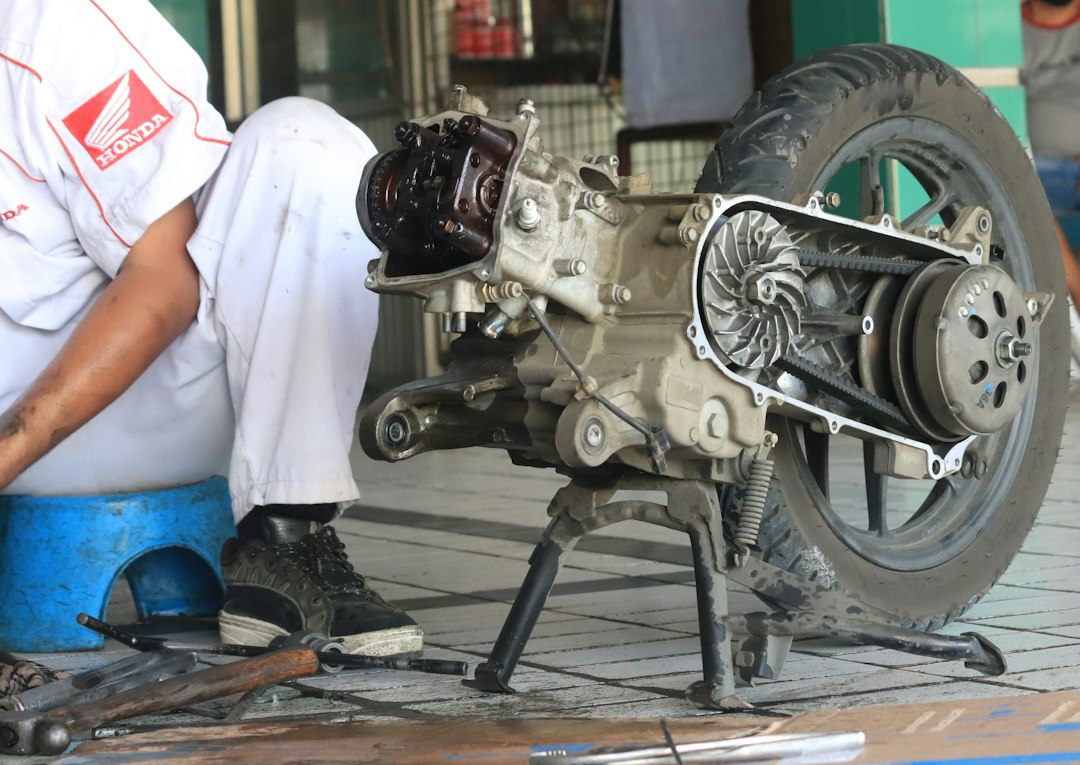
A 600cc go kart engine almost always means a borrowed powerplant: a sport motorcycle engine, a large ATV or UTV engine, or occasionally a snowmobile unit. Nobody sells a mass-market “600cc kart engine” off the shelf the way they sell 212cc industrial motors. That makes this a serious build category rather than a simple upgrade. The engine itself is often the easy part. The hard part is a chassis, braking system, drivetrain and safety package that can cope with an engine designed for a much heavier vehicle. This guide explains where 600cc engines come from, what they demand of a kart, realistic costs, and when a smaller or larger engine makes more sense.
Part of our Go-Kart Engines & Drivetrain guide — explore the full guide →
What Counts as a 600cc Go Kart Engine?
The 600cc displacement class sits in an interesting middle ground. It is well above the single-cylinder engines covered in our 500cc go-kart engine guide, yet well below the big multi-cylinder superbike motors discussed in the 1000cc go-kart engine guide. In practice, the 600cc label covers three quite different engine families.
Sport motorcycle engines. The classic 600cc supersport engine is a high-revving inline four with an integrated sequential gearbox. These engines are compact for their output and come with a clutch, gearbox and often a chain output, which is why they appear in many motorcycle-engined kart and buggy builds.
ATV and UTV engines. Utility and sport quads in this size range typically use a single or twin cylinder. Many pair the engine with a CVT belt drive and sometimes a reverse gear. They make torque lower in the rev range and are generally calmer to drive than a sportbike engine.
Snowmobile and other engines. Some snowmobiles use two-stroke or four-stroke engines near 600cc. They can be powerful but often need custom clutches, exhausts and cooling to work in a kart. Our guide to the snowmobile engine on go kart builds covers that route in more detail.
Why People Choose 600cc
Builders usually land on 600cc for one of a few reasons. Donor engines are widely available from damaged motorcycles and quads, so a running engine with its loom can often be found at a reasonable price. The output is high enough to make an off-road kart or buggy feel lively under load, carrying a heavier driver or a passenger. And the sport motorcycle versions bring a proper sequential gearbox, which suits builders who want a shifter-style driving experience on a home-built chassis.
It is worth being honest about the other side. Output varies enormously between a mild utility quad engine and a supersport motorcycle engine, so there is no single power or speed figure for a 600cc kart. What is consistent is that every version carries far more potential energy than a recreational kart chassis is usually designed for.
Comparing 600cc Engine Sources
| Engine Source | Typical Layout | Transmission | Character | Main Build Challenge |
|---|---|---|---|---|
| Sport motorcycle | Inline four, liquid cooled | Sequential gearbox, no reverse | High revving, peaky | Shifter linkage, cooling, no reverse |
| ATV or UTV | Single or twin, liquid or air cooled | Often CVT, sometimes reverse | Torque low in the rev range | Mounting and gearing for kart wheels |
| Snowmobile | Twin, two or four stroke | CVT clutch | Varies by model | Cooling and exhaust packaging |
Whatever the source, check the donor engine is legal to own and register where you live, and keep the paperwork. Engines from salvage sources should come with documentation showing their origin.
Chassis Demands of a 600cc Swap
A frame built for a small single-cylinder industrial engine is not a starting point for a 600cc build. The extra weight, torque and speed load every tube, weld and mounting point differently. Most successful builds use a purpose-designed buggy or cross-kart style frame with full triangulation, or a frame drawn up specifically for the chosen engine. Our main go-kart frame guide explains how frame materials and geometry affect strength.
Engine mounts. Motorcycle engines are often a stressed member in the original bike, meaning the frame bolts directly to the crankcase. In a kart, you need a mounting cradle that supports the engine at its original mounting points without creating stress concentrations. Rubber isolation may be needed to reduce vibration reaching the driver.
Rear axle and drivetrain. A thin live axle that works with a small engine may twist or bend under this torque. Many builders move to a larger-diameter axle, a differential, or independent rear suspension with CV shafts. Chain size, sprocket hubs and bearings all need to be rated for the load.
Suspension and roll protection. At the speeds these engines can reach, most builders treat a roll cage and suspension as essential. A rigid, unsuspended kart with a 600cc engine is difficult to control on uneven ground and offers little protection in a rollover.
Brakes, Cooling and Controls
Braking is the area builders most often underestimate. A single mechanical rear disc is not adequate for a heavy, fast kart. Hydraulic brakes, ideally with front and rear circuits, are the norm on serious builds. Our go-kart brakes guide covers the main systems and how to size them. Plan the braking system at the same time as the engine, not as an afterthought.
Liquid-cooled engines need a radiator positioned where it gets airflow, protected from debris, and plumbed with hoses that will not chafe. Electric fans are common because a kart rarely gets the same airflow as a motorcycle. Overheating is one of the most common problems on first runs.
Controls matter too. Sportbike engines use a hand clutch and foot shifter on the bike, so a kart conversion needs a clutch pedal or lever and a shift linkage, or an aftermarket electronic shifter. The throttle needs a reliable cable or pedal assembly with a strong return spring so it closes instantly when released. Wiring the original electronics, including the ECU, kill switch and any immobilizer, takes time and patience.
How a 600cc Build Compares to 500cc and 1000cc
The 500cc range is dominated by large single-cylinder engines and big-bore industrial twins. They are simpler to mount and wire, and the step up from a typical yard kart is more manageable. If you want more power than a 420cc engine but do not want to manage a multi-cylinder motorcycle engine, 500cc is often the more practical target.
At 1000cc, builders are working with superbike or large UTV engines. The demands on frame, brakes and driver skill rise again, and the margin for error shrinks. A 600cc build sits between these. It is a genuine step into high-performance home building, but it is a little more forgiving in weight, heat and cost than a 1000cc conversion.
For a broader overview of this kind of project, our guide to the go-kart with motorcycle engine walks through the full build process, from choosing a donor bike to final testing.
Typical Costs
Costs vary widely by region and by how much fabrication you do yourself. As rough USD ranges:
- Used donor engine: often $500 to $2,000 for a running 600cc motorcycle or ATV engine with its wiring, depending on condition and model.
- Frame or chassis: a purpose-built buggy or cross-kart frame might run $1,000 to $4,000 or more, while a self-built frame costs less in parts but needs welding skill.
- Brakes, drivetrain and suspension: commonly $1,000 to $3,000 combined, more for quality hydraulic brakes and coilover shocks.
- Safety equipment: a harness, roll cage materials, kill switch and fire extinguisher add several hundred dollars.
Many builders find the total ends up well above the price of the engine itself. Budget for the whole vehicle from the start.
Pros
- Donor engines are widely available from used motorcycles and quads
- Sport bike engines include a sequential gearbox and clutch
- Enough output to move heavier drivers or passengers
- A satisfying advanced fabrication project
Cons
- Needs a much stronger frame, axle and brakes than a yard kart
- Wiring and electronics can be complex
- Motorcycle engines usually have no reverse gear
- High speeds raise the stakes of any build flaw
Safety Checklist for a 600cc Kart
- Use a frame designed or verified for this engine size, with a roll cage and side protection.
- Fit hydraulic brakes and test them thoroughly at low speed before building up pace.
- Install a harness, a seat securely bolted to strong mounts, and a kill switch the driver can reach easily.
- Guard the chain and any rotating parts, and shield the driver from hot exhaust and coolant lines.
- Wear a full-face helmet, neck protection and suitable riding clothing every time.
- Drive only on private land or venues that permit such vehicles, and check local regulations before using public land.
If you plan to compete, a home-built 600cc kart will only be eligible where a sanctioning body or club class allows it. Check the current rules of the organizing body before building to their specification.
Frequently Asked Questions
How fast is a go-kart with a 600cc engine?
Can I put a 600cc engine on a regular go-kart frame?
Is a motorcycle or ATV engine better for a kart?
Do I need a roll cage with a 600cc engine?
How much does a 600cc kart build cost?
Can I race a 600cc kart?
Final Thoughts
A 600cc go kart engine is a doorway into advanced building, not a bolt-on upgrade. Choose the donor engine to match the kind of driving you want, then design the frame, brakes and safety systems around it. If you are still deciding on the bigger picture, our bike engine go-kart builds guide compares engine sources and drivetrains before you commit.