
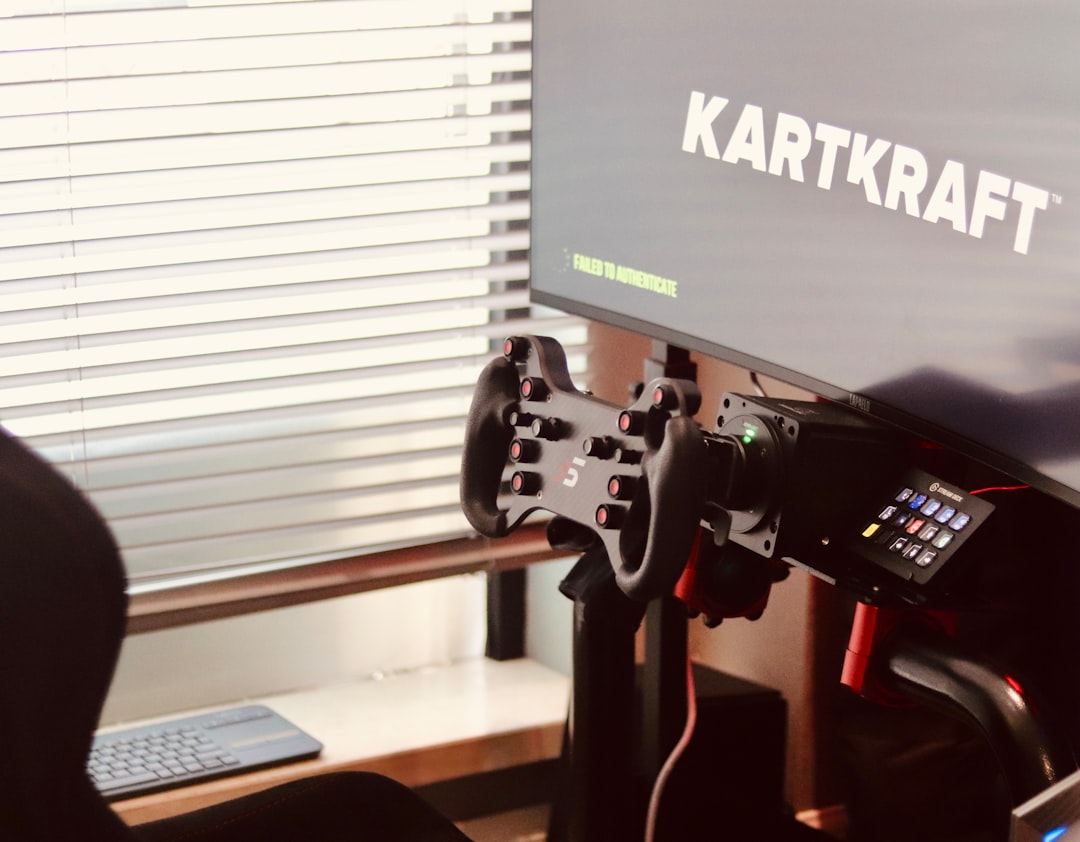
The right karting steering wheel is the most direct connection you have to the chassis — every input, every slide, every kerb strike travels through it into your hands. Racing kart wheels look deceptively similar, but diameter, dish, rim shape, and covering all change how a kart communicates and how tired your arms are by the final lap. This guide covers the wheel types on racing and yard karts, the sizes that actually matter, materials and grip coverings, quick-release hubs, and how to choose a wheel that fits both your kart and your hands.
What a Karting Steering Wheel Does Differently
Karts steer with almost no assistance and barely a third of a turn lock-to-lock. Where a road car dilutes feedback through power steering and suspension, a kart transmits everything — which is why racing wheels are small, stiff, and thickly padded. The wheel also carries real load: with direct steering and sticky tires, cornering forces arrive at your wrists, not a hydraulic pump.
That directness means small differences in wheel spec change the driving experience more than most upgrades. A wheel that is too large slows your hands; one that is too thin hammers your palms on kerbs.
Types of Karting Steering Wheels
Flat racing wheels. The standard on sprint karts — a flat three-spoke design, usually 300–340mm across, suede or smooth grip. Simple, light, stiff.
Dished wheels. The rim sits closer to the driver than the hub, effectively shortening the reach. Common for taller drivers or karts with a long steering column angle.
High-grip covered wheels. Suede or perforated coverings for gloved hands; smooth PVC suits rental fleets because it survives hundreds of sweaty sessions.
Yard-kart and off-road wheels. Larger plastic wheels (up to 350mm+) with molded grips, built for durability rather than feel. Cheap to replace, tough in weather.
Karting Steering Wheel Sizes and Options Compared
| Type | Diameter | Typical material | Best for | Price range |
|---|---|---|---|---|
| Flat sprint wheel | 300–320mm | Aluminum frame, suede grip | Racing karts, quick hands | $40–$150 |
| Dished wheel | 310–340mm | Aluminum, suede/leather | Taller drivers, reach comfort | $50–$180 |
| Kid kart wheel | 260–280mm | Aluminum/plastic | Cadet and junior karts | $30–$90 |
| Yard/off-road wheel | 320–350mm | Molded plastic | Recreational karts | $15–$50 |
Materials, Grip, and Padding
Racing wheels use an aluminum skeleton with foam padding under a suede, leather, or synthetic cover. Suede offers the best glove grip but wears shiny with bare hands — if you drive gloveless (do not on a race kart), pick smooth leather or PVC. Rim thickness matters too: 28–34mm suits most hands; drivers with larger hands often prefer a fatter rim to reduce grip fatigue.
On yard karts, molded plastic is fine — but check the center hub. Cheap wheels crack around the bolt holes, and a wheel that fails mid-corner is a genuine hazard.
Hubs, Bosses, and Quick-Release
Racing wheels mount to the column through a three-bolt pattern on a hub (boss) matched to your column taper or spline. Measure the bolt circle before ordering — most sprint karts use a common three-bolt layout, but spacing varies by make. Quick-release hubs are popular on enclosed karts and tight cockpits: the wheel pops off for entry, which also doubles as a theft deterrent on a yard kart. A quality quick-release adds $60–$150 and must lock positively — any rotational play ruins steering feel.
If your column or its bearings are suspect, fix that first — a new wheel cannot mask a bent shaft. Our steering column guide and steering linkage guide cover the rest of the system.
Cost and Considerations
A quality racing wheel runs $40–$180, kid-kart sizes slightly less, and quick-release hubs add $60–$150. Replacing a worn cover is possible on premium wheels but rarely economic on budget ones. For yard karts, $15–$50 plastic replacements are everywhere — spend the savings on fresh tires instead, where the money actually changes handling.
Check compatibility on three points: bolt pattern, hub bore/taper, and wheel diameter clearance to your legs at full lock. On a shifter kart, also confirm the wheel clears the front brake master cylinder linkage at full rotation.
How to Choose
Racers: start at 320mm flat with suede; go dished if your arms are long or the column is steep; drop to 280mm for cadets. Recreational builders: any stiff wheel that matches your hub and survives weather is right — prioritize a crack-free hub and full lock clearance. In every case, replace a wheel with visible frame damage immediately.
Pros and Cons of Upgrading Your Wheel
Pros
- Cheapest change that noticeably improves steering feel
- Better grip covering reduces hand fatigue in long sessions
- Quick-release hubs ease entry on tight cockpits
- Correct diameter sharpens steering response
Cons
- Cannot fix worn columns, bearings, or linkage faults
- Premium suede wears quickly without gloves
- Quick-release adds cost and a possible play point
- Bolt patterns vary — easy to order the wrong hub
Frequently Asked Questions
What size steering wheel does a racing kart use?
Are kart steering wheels universal?
Should I use a dished or flat wheel?
Why do kart wheels have thick padding?
Is a quick-release hub worth it on a kart?
Can I put a car steering wheel on a go-kart?
Final Thoughts
A karting steering wheel upgrade is small money for a genuinely noticeable change in feel — pick the right diameter, a grip surface that matches your gloves, and a hub that bolts on without play. Sort the wheel alongside the rest of the steering system, not instead of it: the column and linkage geometry decide how good any wheel can feel. For a full chassis view, our chassis roundup is the next stop.