
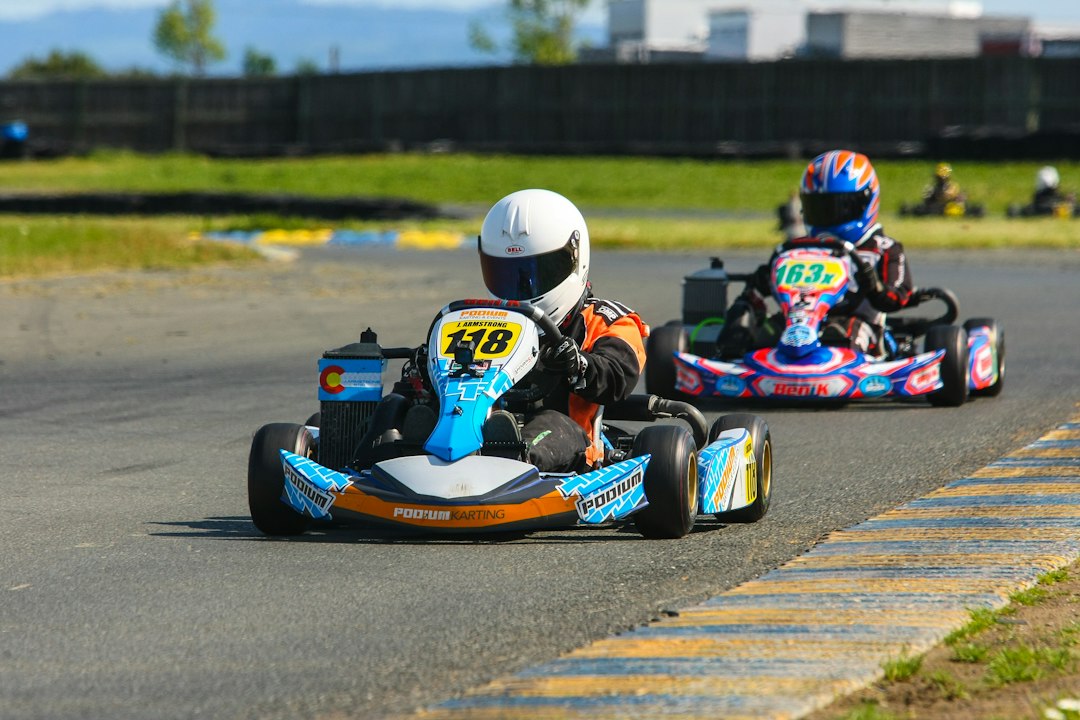
A pedal drift kart is a human-powered kart designed to slide its rear end through turns, usually thanks to low-grip rear wheels, swiveling casters or a handbrake. It gives children, and some adults, the fun of drifting without a motor, a battery or a fuel can. Because there is no engine, speeds stay modest and the kart can be used in more places than a powered drift kart. This guide explains how pedal drift karts work, the main designs, which ages and sizes suit each, typical USD prices, how to drift one, where to ride, and the safety gear and checks that matter most.
Part of our Drift Karts & Drift Trikes guide — explore the full guide →
What Is a Pedal Drift Kart?
A regular pedal go-kart is built for grip: rubber tires that hold the ground so the kart goes where it is steered. A pedal drift kart deliberately reduces rear grip so the back of the kart can slide sideways while the front wheels keep steering. The rider pedals to build speed, then uses steering input, a handbrake or body weight to start a slide.
Pedal drift karts sit between classic pedal karts and the gravity-powered drift trikes popular with older riders. For a general look at human-powered karts, see our pedal go-kart guide.
Types of Pedal Drift Karts
Low-grip rear wheel karts. These use hard plastic or slick rear wheels while the front wheels have rubber tires. The rear breaks traction easily on smooth surfaces, allowing controlled slides.
Swivel caster karts. Some kids’ ride-ons use rear casters that rotate freely, letting the back of the kart swing out. They are very easy to slide but can feel unpredictable at higher speeds.
Handbrake drift karts. A lever locks or slows the rear wheels to start a slide, much like a handbrake turn in a car. These give the rider more control over when the drift starts.
Convertible pedal karts. A few pedal karts let you swap or fit drift sleeves or slick rear wheels, turning a grip kart into a drift kart when wanted.
Adult-size pedal karts with drift setups. Heavier-duty pedal karts sometimes accept slick rear wheels. These need strong frames and good brakes. Our adult pedal go-kart guide covers larger pedal karts.
The Best Drift Karts: our top 3 picks
| Product | Best for | Key features | Price | Buy |
|---|---|---|---|---|
| Razor Crazy Cart XL | Best overall drift kart for adults |
| $999.00as of Oct 25, 2026 3:48 am EDT | Buy now →Check current price |
| Razor Crazy Cart DLX | Best for kids 9 and up |
| $593.39as of Oct 25, 2026 4:16 am EDT | Buy now →Check current price |
| First Ride On McLaren 48V | Best drift kart for teens |
| $1,399.99as of Oct 25, 2026 5:12 am EDT | Buy now →Check current price |
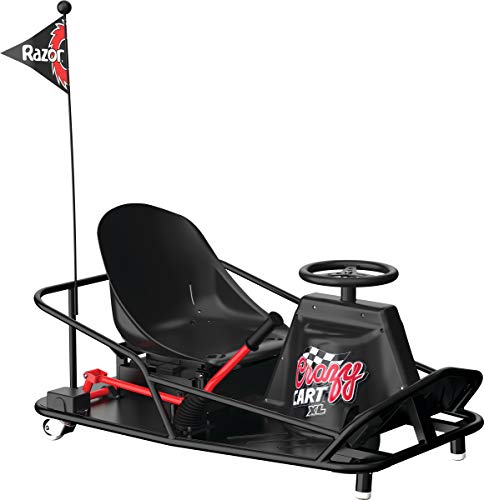
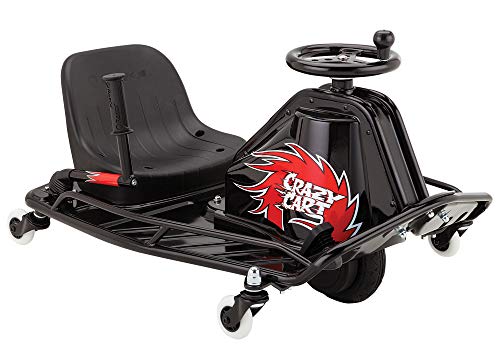

Prices are Amazon’s listed prices as of the date and time shown and are subject to change; the price on Amazon at the time of purchase applies. As an Amazon Associate we earn from qualifying purchases.
Pedal Drift Kart Types Compared
| Design | How the Slide Starts | Control | Typical Age Range | Best Surface |
|---|---|---|---|---|
| Low-grip rear wheels | Steering and speed | Moderate | Younger school-age and up | Smooth concrete or asphalt |
| Swivel rear casters | Almost any steering input | Low | Younger children | Smooth, flat paving |
| Handbrake drift | Handbrake pull | High | Older children and teens | Smooth, open paving |
| Convertible pedal kart | Fitted slick wheels or sleeves | Moderate | Varies by model | Smooth paving |
| Adult pedal drift setup | Steering, speed, brake | Moderate to high | Teens and adults within weight limits | Large, smooth lots |
Age ranges are a rough guide. Always follow the manufacturer’s stated age, height and weight limits.
How Much Does a Pedal Drift Kart Cost?
Prices vary with size, frame quality and features. As a general USD guide, simple children’s pedal drift ride-ons often cost from under $100 to a couple of hundred dollars. Sturdier pedal karts with adjustable seats, handbrakes and drift-capable rear wheels commonly run from a couple of hundred to several hundred dollars. Heavy-duty adult pedal karts generally cost more again.
Spare slick wheels, drift sleeves and replacement parts are worth pricing before you buy, because the rear wheels wear as they slide. If you are weighing powered alternatives, our guide to drift karts for kids covers electric drift karts and how they compare.
How to Drift a Pedal Drift Kart
Start slowly. Practice steering and braking without drifting first, so the rider knows how the kart stops.
Build a little speed. Pedal on a straight, smooth section to gain modest speed.
Initiate the slide. Turn the steering firmly or pull the handbrake, depending on the design. The rear should slide out.
Counter-steer. Turn the front wheels gently toward the direction of the slide to control it. On swivel caster karts, small steering inputs are enough.
Recover smoothly. Straighten the steering as the kart slows and the rear grips again.
Practice in wide figure-eight patterns with plenty of space around the riding area. The same basic principles apply to powered karts; our article on how to drift a go-kart explains them in more detail.
How to Choose a Pedal Drift Kart
Size and adjustability. The rider should reach the pedals with a slight bend in the knee and hold the steering wheel comfortably. Adjustable seats or pedal positions allow the kart to grow with the child.
Weight rating. Stay within the stated maximum load. Overloading stresses frames and wheels and can cause sudden failures.
Frame quality. Steel frames with solid welds and quality fasteners last longer than thin frames. Check reviews and product details for frame material and construction.
Brakes. A real brake, whether a hand lever or coaster-style pedal brake, is important. Drifting is fun, but stopping is essential.
Replaceable rear wheels. Drift wheels and sleeves wear. Choose a model with available spares.
Indoor or outdoor use. Hard wheels can mark some indoor floors and may be noisy. Check the manufacturer’s guidance on suitable surfaces.
Where to Ride
Pedal drift karts need smooth, flat, open surfaces such as driveways, empty parking areas, basketball courts or tennis courts where permitted. Avoid roads, slopes leading to roads, gravel, wet surfaces and areas with obstacles or pedestrians. Check that the property owner allows riding, especially on courts and private lots.
Rough asphalt wears drift wheels quickly and makes slides less predictable. Smooth sealed concrete usually gives the most consistent results.
Safety Gear and Checks
Helmet. Use a properly fitted helmet every time. A low kart is still at risk of tipping or hitting obstacles.
Gloves, closed shoes and pads. Gloves protect hands in a spin, closed shoes keep feet secure on pedals, and knee and elbow pads add protection for younger riders.
Pre-ride checks. Check that wheels are tight, the steering moves freely without excessive play, the brake works, and the seat is secure.
Supervision. Younger children need active adult supervision, especially while learning to drift. Set clear rules about riding areas and taking turns before each session.
Maintenance
Rear wheels. Inspect drift wheels or sleeves for flat spots, cracks and uneven wear. Rotate or replace them before they wear through, since a worn sleeve can split suddenly mid-slide.
Chain or drive. On chain-driven models, keep the chain lightly lubricated and correctly tensioned. Wipe off grit after riding on dusty surfaces.
Fasteners and bearings. Drifting puts side loads on axles, wheel bolts and bearings. Check for looseness every few rides and replace any bearing that feels rough or noisy.
Storage. Keep the kart indoors or under cover. Rain and sun shorten the life of plastic wheels, seats and painted frames.
Pedal Drift Kart vs Drift Trike
A drift trike is usually a three-wheeled machine with hard rear sleeves, often ridden downhill under gravity. Drift trikes can reach much higher speeds and are generally for older riders with full protective gear. A pedal drift kart stays on flat ground, is powered by the rider’s legs, and keeps speeds lower, which makes it more suitable for children. For the gravity-powered alternative, see our drift trike for kids guide.
Pros and Cons
A pedal drift kart offers easy, low-cost sliding fun, with some limits.
Pros
- No battery, fuel or charging needed
- Lower speeds suit children learning car control
- Builds leg strength and coordination
- Usually cheaper than powered drift karts
Cons
- Drift wheels wear and need replacing
- Needs smooth, open surfaces to work well
- Swivel caster designs can feel unpredictable
- Children may outgrow smaller frames quickly
Frequently Asked Questions
What age is a pedal drift kart for?
Can adults use a pedal drift kart?
Do pedal drift karts have brakes?
Can I use a pedal drift kart indoors?
How long do drift wheels last?
Is a pedal drift kart safer than an electric drift kart?
Final Thoughts
A pedal drift kart is a simple, fun way to learn sliding and car control without a motor. Choose one that fits the rider, has a reliable brake and replaceable drift wheels, and ride it on smooth, open, safe surfaces. If your rider is ready for more speed, compare options in our best drift kart for kids roundup.